Tag Archives: slice of life

Fiction Friday – Garage Sale

FICTION FRIDAY

Garage Sale
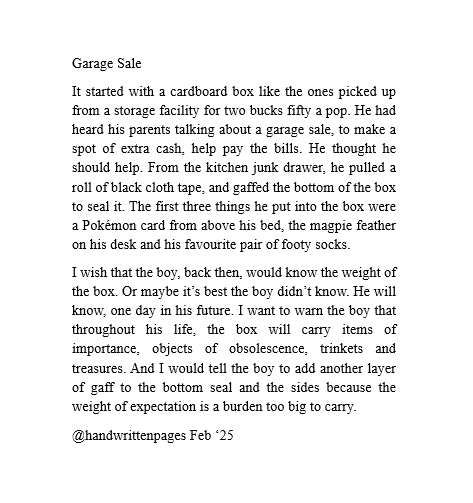
It started with a cardboard box like the ones picked up from a storage facility for two bucks fifty a pop. He had heard his parents talking about a garage sale, to make a spot of extra cash, help pay the bills. He thought he should help. From the kitchen junk drawer, he pulled a roll of black cloth tape, and gaffed the bottom of the box to seal it. The first three things he put into the box were a Pokémon card from above his bed, the magpie feather on his desk and his favourite pair of footy socks.
I wish that the boy, back then, would know the weight of the box. Or maybe it’s best the boy didn’t know. He will know, one day in his future. I want to warn the boy that throughout his life, the box will carry items of importance, objects of obsolescence, trinkets and treasures. And I would tell the boy to add another layer of gaff to the bottom seal and the sides because the weight of expectation is a burden too big to carry.

Fiction Friday – Rules

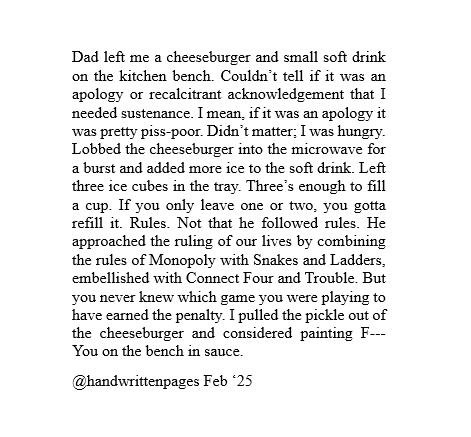
Dad left me a cheeseburger and small soft drink on the kitchen bench. Couldn’t tell if it was an apology or recalcitrant acknowledgement that I needed sustenance. I mean, if it was an apology it was pretty piss-poor. Didn’t matter; I was hungry. Lobbed the cheeseburger into the microwave for a burst and added more ice to the soft drink. Left three ice cubes in the tray. Three’s enough to fill a cup. If you only leave one or two, you gotta refill it. Rules. Not that he followed rules. He approached the ruling of our lives by combining the rules of Monopoly with Snakes and Ladders, embellished with Connect Four and Trouble. But you never knew which game you were playing to have earned the penalty. I pulled the pickle out of the cheeseburger and considered painting F— You on the bench in sauce.

Fiction Friday – Kindling

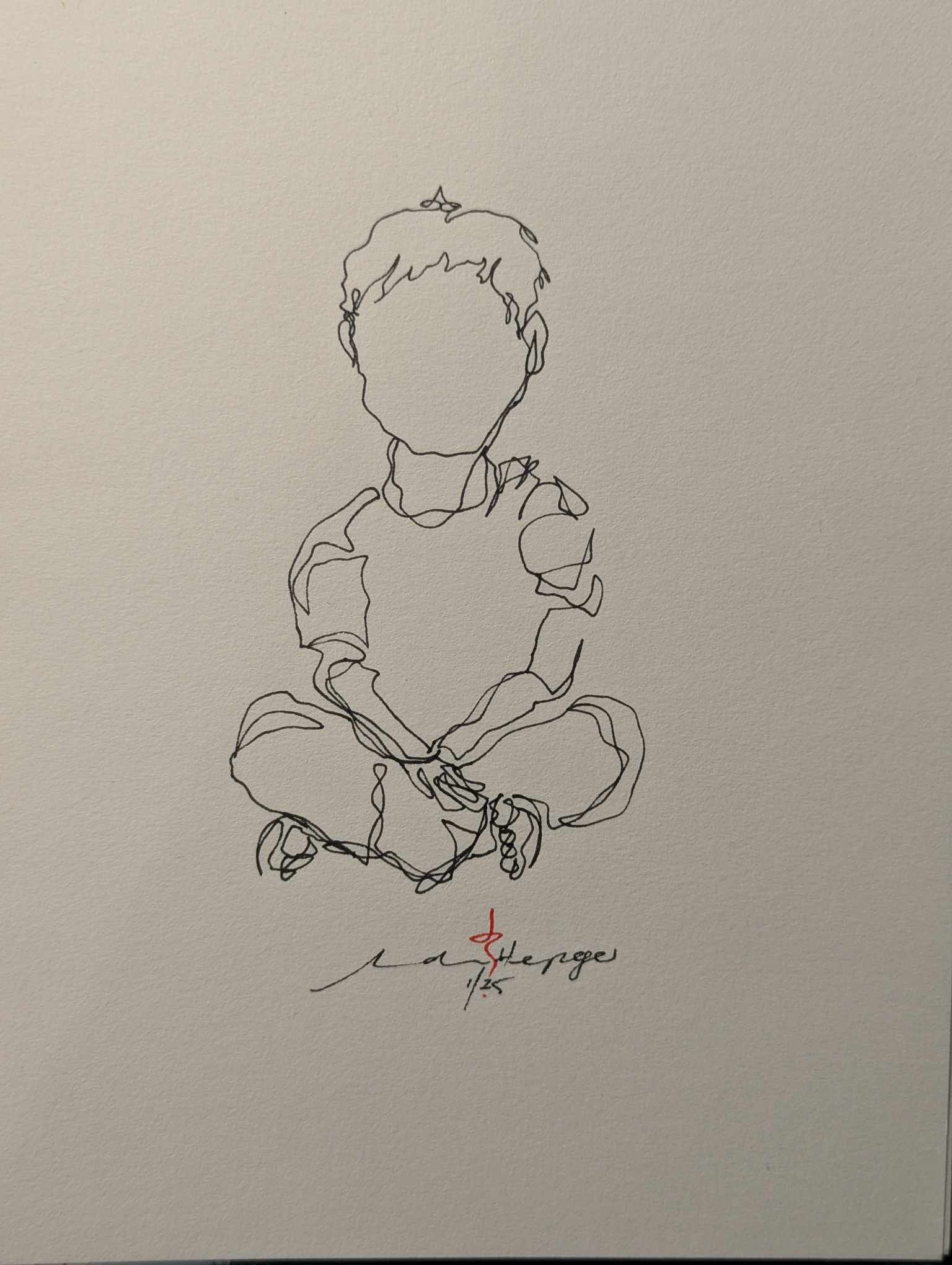
I was about seven years old, sitting cross-legged in the loungeroom, as I watched my father light the fire. He had pushed me back to a safe distance, but also out of his way. He struck the match and it flared, brightened, retracted. Kept alive by my father’s hand as he tilted the flame to consume more of the matchstick. He reached into the kindling and touched the flame to the shredded newspaper within. I watched in fascination as the newspaper burned, licking around the edges of the kindling, tapering down. Having enough energy to ignite the small twigs and thinner strips of cut down fence palings. Kept an eye on my father as he monitored the flame, having the knack to know when to add more fuel to keep the fire alight. It was years later I understood that starting an argument is the same as starting a fire: you introduce friction. Years of accumulated kindling would burn for decades.

Crowd Surfing/Circles on Circles

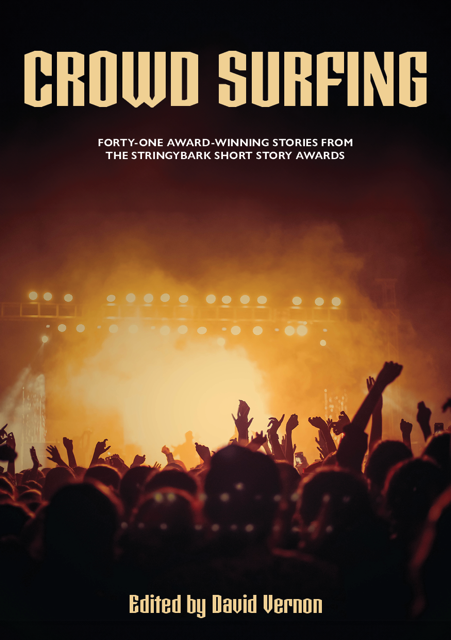
I wanted to go behind the scenes to my award-winning short story, Crowd Surfing (First Place in the 2024 Stringybark Short Story Award), particularly the music that I was listening to in the editing phase.

Crowd Surfing is about the search for healing in the middle of grief. A mother has lost her son to suicide, and after finding a ticket for a punk rock show in his room, goes along to the show to search for understanding about who he was, what the music meant to him, and what he meant to her and other people.

The inspiration behind the story came from a brief article I read about a mum crowd surfing at a gig. I introduced the suicide of her son as the conflict of the narrative. I love my heavy music and have been in a few mosh pits back in the day (these days I will happily take a seat if it’s offered). The catharsis I find in heavy music was the emotional core of the story and its purpose, and each draft was an excavation to achieve that goal.

In contrast to the heaviness and weight of emotions in the story, it was a quiet, melancholic and meditative song that was the soundtrack while I was editing. Circles on Circles by post-rock band Caspian was the song I had on repeat when working on this story. It was the concept of circles, of circular motion, of the cycles of grief that helped frame the narrative. My story was not influenced by the lyrics of the song but the tone and mood certainly did.

To build the narrative, I needed to get the mother in her place of grief to the venue. I imagined what it would be like to have to do the final load of washing of your child, to put it out on the clothesline, bring it in when it is dry, fold it and then put it away. It allowed me to focus on a mundane moment and endow it with a heaviness and an emotional weight, and then to build into the narrative the character of her son, Jeremy. I named him “Jeremy” after the Pearl Jam song.

When she enters his bedroom, she is confronted with all of the items that she identifies with her son: music, CDs, instruments, his laptop where he records his podcasts. This leads her to seeing a ticket for a local punk show and her decision to attend, to try and make sense of why this angry music was engaging for her son. As he says to her,

“I play angry music for happy people,” he said when she asked why he enjoyed it. She nodded like she understood in the same way she nods when people ask her how she’s doing, except she wants to scream, “If he was happy, why did he take his life?”

I noted to myself earlier this week when I was finishing a draft for a story, that it’s not until about the 4th or 5th draft of a short story, when I have really excavated its bones and begun putting on its flesh, that I can see the depth of purpose in the story and find ways to make that clear in every sentence.

Hence, it was the mundane act of washing that provided a motif for the story: the circular chaos of a washing machine in parallel to the frenetic actions of a mosh pit and the maelstrom that is grief. It appears in the narrative in different ways but was a constant thread throughout for a cohesive connection between mother and son, and between mother and her son’s music, and her own grief and sorrow. She sees it in the actions of the crowd as they make a circle pit with those on the inside, arms and legs tumbling like socks and undies in the washing machine, and those on the edge and perimeter, waiting and wanting to be drawn in, even if something is holding them back.

With Jeremy as a known entity in the scene, it is discovered that his mum is in the audience, and the band brings her up on stage, acknowledges her loss, and their loss, but want to show her what Jeremy meant to them, too. Again, Circles on Circles was the soundtrack in my ears when I was working on this last section of the story as a vehicle for helping me focus on the emotional core of when she is taken to the edge of the stage, the edge of her own grief and sorrow, to lean back and be carried by the hands of the crowd. When she is safely returned to terra firma, the crowd embraces her in community, closing the circle and providing the beginning of her healing.

Crowd Surfing is available from the Stringybark website or a digital version is available on Smashwords.

Publication News – The School Magazine October 2024

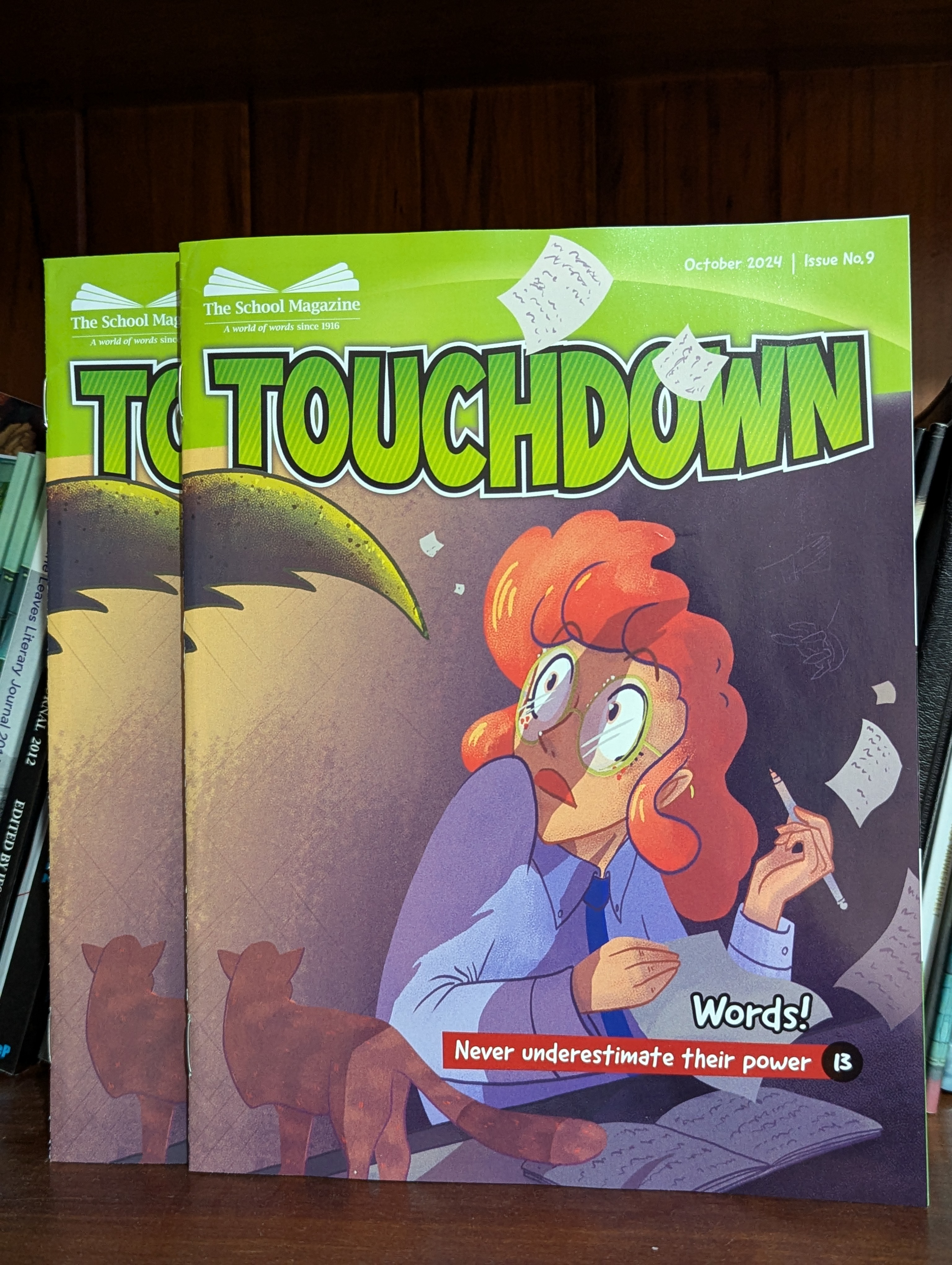
A little earlier this year I announced that my short story, A Shoebox of Changes, had been sold to The School Magazine.

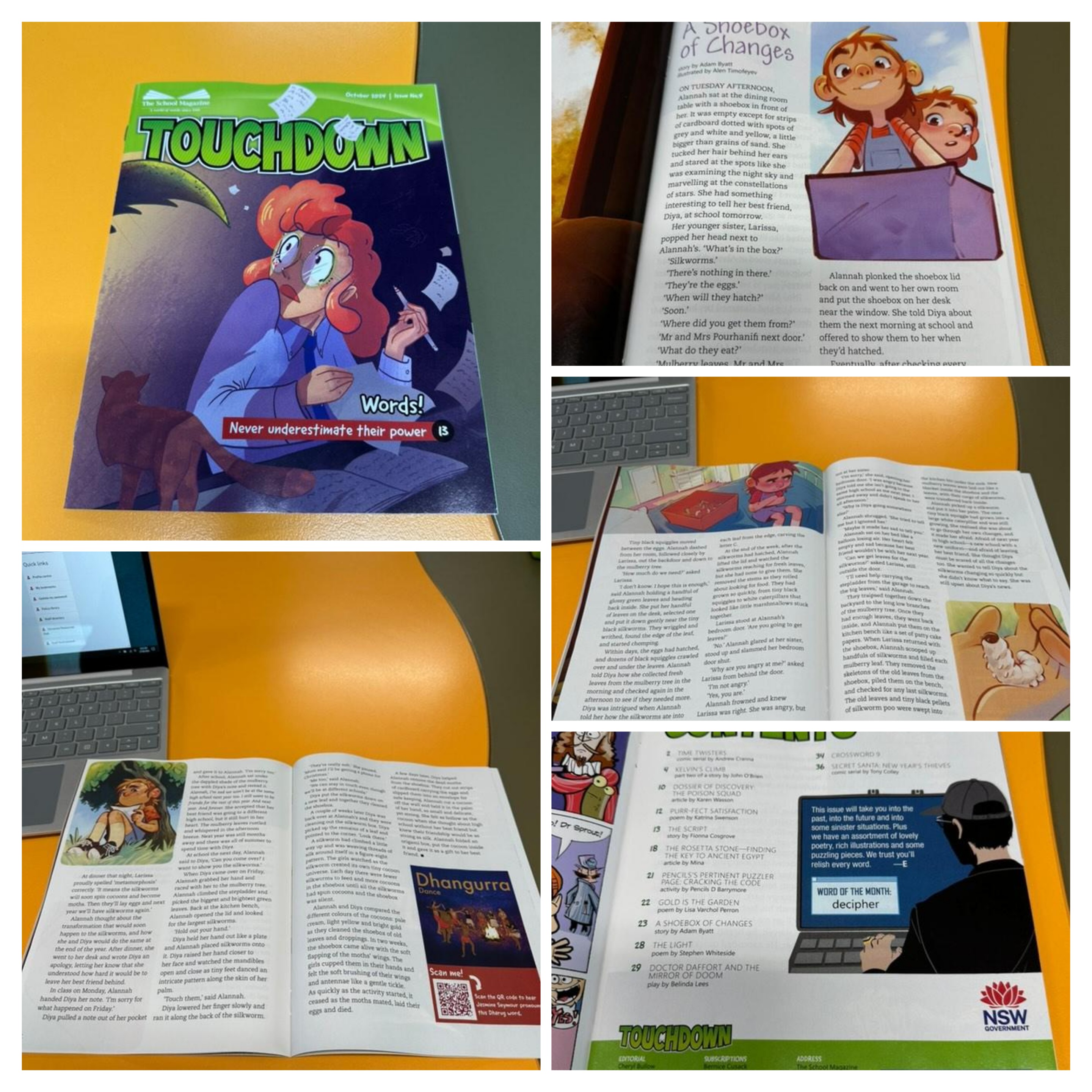
This week my contributor copies arrived, and I was eager to see the story in print, and who the illustrator was. Alen Timofeyev has produced these beautiful and whimisical characters to support the story.

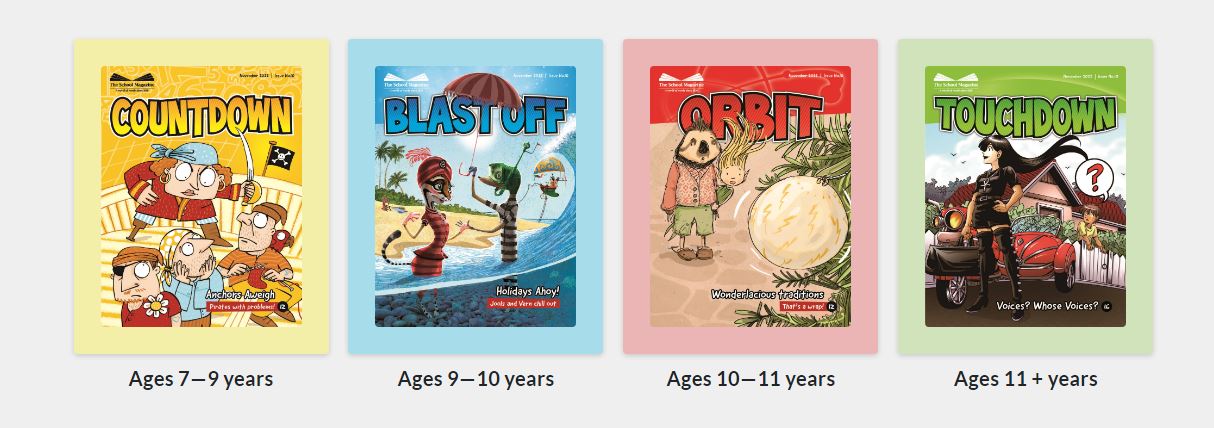
The New South Wales Department of Education releases 10 issues a year to public school students, catering for all reading levels through different titles aimed at stages.

A Shoebox of Changes is the story of Alannah and her best friend Diya, who find out they won’t be attending the same high school in the new year. The extended metaphor running through the story is the shoebox of silkworms Alannah is taking care of, from their hatching through to their growth, spinning silk coccoons and their metamorphosis into moths, as representative of the changes we go through in life.

There is a scope and sequence HERE.

Lesson Sequence for Figurative Language HERE.

Lesson Sequence for Extended Metaphor HERE.

Thanks to my friend, Benjamin Dodds for sending me photos of my work in the wilds of the primary school staffroom
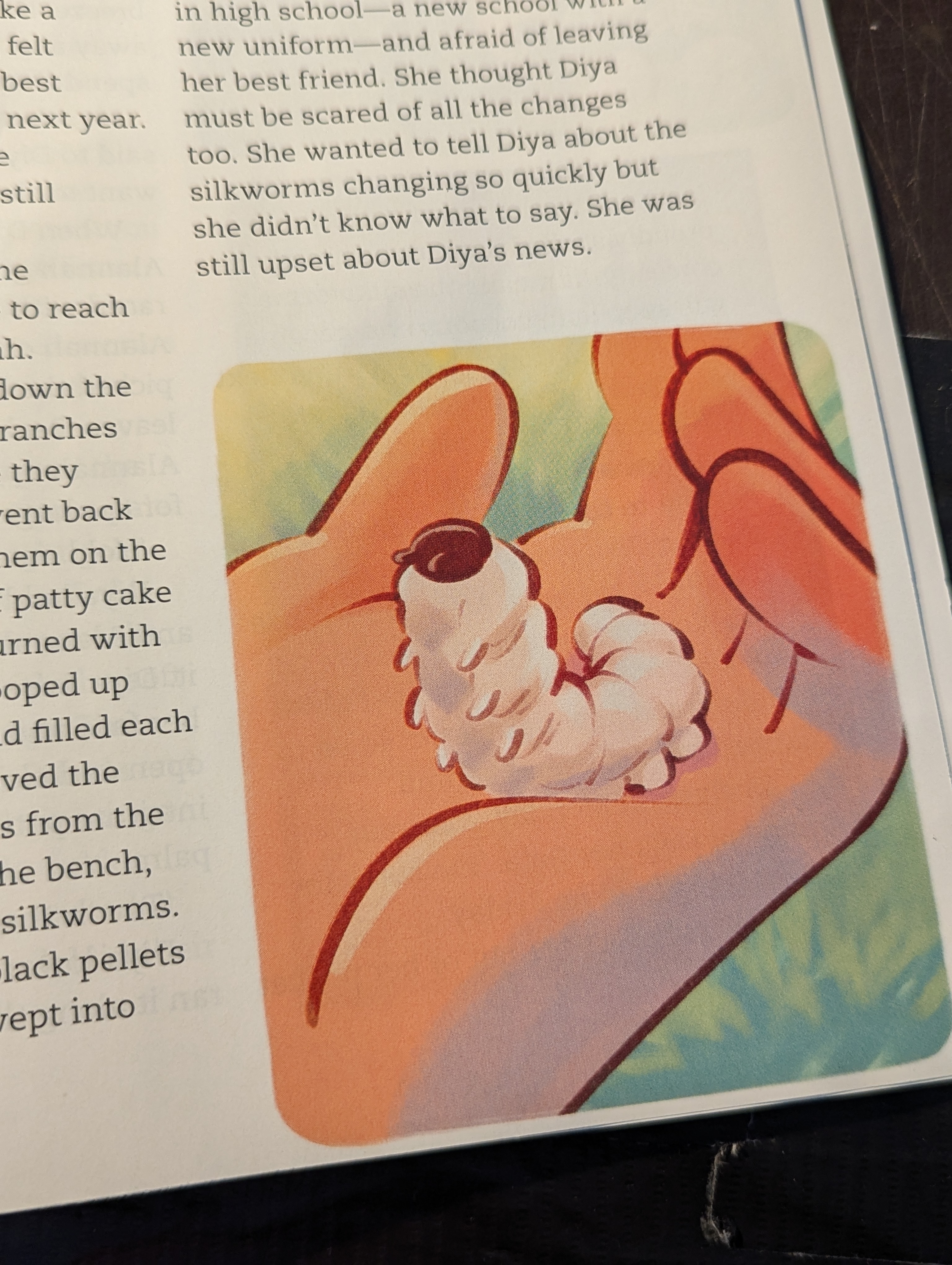
This is my favourite image from the story.
Illustrated by Alen Timofeyev

The Dead Letter Office – A Pome

Author’s Note: Sometimes a random reading will lead to random inspiration and a random result. I like this way.

Create an imaginary friend.

Find a newsagent and buy a postcard. Send it to them.

Whenever the fancy takes you, you buy another postcard from a local convenience store or tourist shop and tell your imaginary friend you were thinking of them and hope they are well.

On a holiday to the beach up the coast, you buy a postcard each morning and tell your imaginary friend the ins and outs of work, the minor procedure you had last autumn and that you’ve taken up running. Each evening you post it.

One day you find a postcard that is a little suggestive, perhaps raunchy, and with trembling hand you write to your imaginary friend that you’ve been thinking of them. You’ll let yourself imagine they are your lover, and fantasise, and then consummate the idea at home. Later you’ll write a breakup postcard but you say you’ll hope to remain friends.

A few years will go by and the urge to write to your imaginary friend will pierce your stomach as you watch a gig at a local café. You write a note on a serviette as an apology.

The distance between postcards lengthens, stretching out to fathoms, and finding a working pen in the house is a miracle.

One day, you will realise you stopped writing to your friend. Regrets hurt.

Finally, as a salve, you will sit down and write a lengthy letter to your friend, taking the thoughts  from the shelves of your mind, and cataloguing them as museum pieces for an audience of one because it will help if someone knows the truth.

Set aside packs of postcards and pens for your funeral.

New Story – The Overripe Plum

It is always lovely to announce when a new story is live for you to read.

My new story, The Overripe Plum, is about a son at his father’s funeral and explores the chasm of masculinity between them (in under 1000 words).

I encourage you to subscribe to Flash Fiction Magazine for stories that are posted daily, or are sent to you via email once a week.

Here’s a preview:

You can read the rest of the story HERE.

Advent – A Waiting

Advent
A waiting…
an anticipation…
about hope, of hope, and for hope
for our success, our health, our dreams and visions
a pregnant waiting and pause
believing for the fulfilment
to hold that one thing in our arms.
In the meantime,
send the text
ask the question(s)
pick up their groceries
mow their lawn
fold their laundry
make them cups of tea
and the time of hopeful waiting
will be shared, encouraged, unburdened
because you have loved your neighbour
as yourself.

(frangipani flower photo taken in my garden)

End of Month Wrap – September

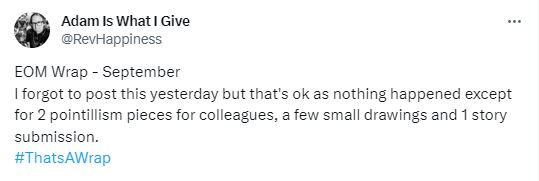
Yep, that’s the sum total for September. Another fallow month. I am aiming for a little more in the next few months before the end of the year but it will require some planning. The planning I can do; it’s the execution of it that gets mucked up along the way.

Things to do While Waiting for Life to Resume

After you read the doctor’s letter, pretend it is a breakup letter to the illness ravaging your body and not a statement of irrefutable facts. The white envelope is a dove, torn to pieces, lying at your feet.

At sunset stand against the west wall of the house to feel the heat baked into the bricks warming your back as your face cools. At sunrise, stand against the wall and absorb the coldness into your back as your face warms. When you stand against the bricks, listen to the sound of your breathing in through your nose then out through your mouth. Clench your fists breathing in. Release them breathing out.

Sorrow is not unlike this.

Go into the garden and look for ladybugs. Search around the lemon tree behind the kids’ trampoline and around the garden shed where the parsley self-seeded and flourishes. You will find a stick insect instead.

Uncertainty is not unlike this.

Watch the bees in the flowers. Listen to them. See that the snails have climbed up the fence because rain is coming. When it does rain, count the drops of rain falling from the eaves and see if you can make it to one thousand.

Send a text to your best friend asking how he’s doing at the moment because you haven’t spoken in a while. Send a text to your sister for the same reason. Water the plants when you’re thirsty.

Go back inside and write out a shopping list of what you will need for the week and make it a hymn to the mundane. Include a treat for yourself. Respond to your best friend’s text and invite him over for dinner and ask him what his favourite food is and plan to make it. Add the ingredients to the shopping list you started.

Expectation is not unlike this.

When you go to the shops with your shopping list, tie your shoelaces with the perfect tightness you like. Let the swallows in the underground car park remind you of people scurrying about as the parentheses of your day because prophets have not forgotten how to read the signs.

On the way home from the shops, go to McDonald’s, and while waiting in the drive-thru, decide to order the burger you have never tried (the Filet-o-Fish) and know that this is what disappointment will taste like as you sit in the carpark, rinsing your mouth out with fries. This will remind you that breadcrumbs are for cooking, not for leaving a trail.

Read a book once you’ve unpacked the groceries; the one you said you always would but never get around to. Then read Hamlet and be certain you don’t know the way forward. Read The Road as the antidote.

Draw the flowers in the vase, a daguerreotype of death. Draw them after they have wilted as an act of preservation. Remember your first kiss and why it stays in your memory and not the last kiss you gave or received. Wait for the echo. As the sun sets, measure the distance the shadow travels in an hour as it pushes in like the rising tide. Create a playlist for your wake and make mixtapes to give to people now. Sort through your sock drawer and throw out the old pairs and the holey ones. Make pairs of mismatched socks. Later, consider learning macrame and wonder, when you’re done tying yourself in knots, will you have made something beautiful?

Clarity is not unlike this.

When you read the instructions, “Open Other End,” on the box, you know for certain you will flip the box over but you won’t trust yourself to follow your heart.

Regret is not unlike this.

Learn why the rod and staff were the shepherd’s tools. Wield them and master them for, and over, yourself.

Boundaries are not unlike this.

At dinner, light a candle (one of the good ones, the smelly ones you saved for special occasions) to see how far light travels in the dark because the night is a drawn curtain and limits your view. This is the measure of where you feel safe because of what you can see. You know what lies in the shadows behind the lemon tree and the garden shed: leftover bricks, roofing tiles and black plastic pots. The garden shed is a mausoleum of the lawnmower and garden tools, sundry odds and sods, bags of potting mix and stakes for the tomatoes you’ve been meaning to plant each season. The lemon tree produces fruit whether you tend to it or not. Befriend the certainty of doubt.

Let the shadow’s long fingers collect the cobwebs from the cornice in the ceiling and make fairy floss from it. The shadow offers it to you. You eat it.

Disappointment is not unlike this.

One day you will make friends with the weight of fear to step out the back door and turn on the light. Wait for the possum with its baby to scurry across the top of the fence.

Perception is not unlike this.

Finally, take a shower to experience baptism in the ordinary act of bathing. You will remember the valley and the mountain top are both places of vision. One is a mirror. The other is a lens. Circumstances will teach you how and when to apply the lens, and when and how to use the mirror in order to see clearly. Clarity will come through seeing yourself correctly.

Death is not unlike this.

This is a reworking of a couple of pieces from earlier in the year. Using second person perspective is a very hard sell to market so I am putting it up here for you. I hope you enjoy it.