Polaroid Memories

 I

He waved the Polaroid like a fan, an invocation to the camera gods. Greys and whites morphed into a toothy smile, pigtails and brown eyes.

 II

He remembers the pinhole camera made in science class and his first over exposed photo of his gangly best mate with a pudding bowl haircut.

 III

A thousand images plastered to his folder, replicating an editor’s cutting room floor, yet shaped by a teenage boy’s view of the world.

IV

Spooling rolls of film into an old fashioned camera, he searched for her soul through the viewfinder. The weaving of two lives printed onto paper.

V

Breathe in. Breathe out. Push. A held breath as the doctor delivered a little girl. A memory imprinted into his mind like a photograph.

VI

He turned the pages of albums, sheets of acetate and leaves of paper crinkling like autumn drifts pushed and pulled by the winds of memory.

VII

“Make a wish.” Grasping the dandelion in pudgy hands she blew a mix of air and spit, watching the tiny blossoms parachute to the ground.

[FGC #2] The Photographer’s Concerto

[FGC #2] The Photographer’s Concerto

 “Charlotte,” she said, extending a hand. “Charlotte MacKay. I’m the photographer.”

A figure in black extended his hand. It was sweaty but cold and the reek of curry wafted over her. “Michael Bailey, band manager. Knock yourself out.” He stepped to one side allowing her through to the side of the stage. Around her black figures unwound mic cables, tuned guitars and placed various bottles around the stage. The crowd congregated at the other end of the room, sipping beers and drawing on cigarettes.

The thud of a kick drum felt like a punch to the stomach as the drummer ran through a sound check. From the side of stage, Charlotte watched the lean musculature of the drummer’s left arm as it raised and lowered like a pendulum, cracking the snare. Through the viewfinder of her camera she reeled off a few shots.

With the sound check over, the crowd pressed forward to the barrier, drinks abandoned at the bar. The lights dimmed and the crowd gave its approval: whistling and yelling, their voices tearing apart the darkness. Four shadows crossed the stage, fine-tuning, swigging from bottles, turning volume knobs. At the crescendo of the crowd’s voice the lights exploded like a thousand suns and the band struck the opening chords.

Across her line of sight past the bass player and lead singer, Charlotte glimpsed the guitarist. He wore an unbuttoned paisley vest, no t-shirt and long shorts with his guitar sitting slightly high. His hair danced around his shoulders and the guitar was an extension of his arms. Moving from the side Charlotte dropped between the barrier and the stage. Squeezing past the bouncers she stood before the guitarist, a worshipper before the shrine. Putting the viewfinder to her eye she sought the soul of this man.

Behind her the crowd pulsed in an orgiastic cycle of adoration, worship and dancing. Charlotte’s heart quickened, racing in concert with the shutter. Each frame captured a little of his essence, a relic to be fingered in quiet moments of prayer and contemplation.

The set finished and the house lights raised but the crowd lingered, unwilling to let go just yet, savouring the rapture of the music. Charlotte squeezed past security, back to her camera bag. From the corridor leading off stage a figure emerged, his head wrapped in a towel. His chest gleamed with sweat as he towelled off his head, drying his hands before offering one to Charlotte.

“Jake de Brito.”

His voice was softer than she imagined, and she noted a slight fragility in his frame, obscured by the stage lights. Bereft of his guitar he stood before her, a mere mortal. She watched his fingers move involuntarily, forming shapes and patterns in the air like a secret language; the fingers invoking sounds from the darkness of the void.

“Thanks for, like, coming to take photos of the band.”

“No, it was fantastic. I haven’t done a band shoot for ages and this was an awesome gig. What the street press are writing about you guys is spot on.”

He shrugged. “Did Michael, like, look after you?”

“Yes, thank you.”

A voice called from the corridor leading back stage. “Jake, you comin’ man?”

“Yeah. Hang on,” he yelled back. “Might see you soon, yeah?”

“Sure.”

Charlotte watched Jake disappear into the black. The persona captured on film was powerful and articulate; a shaman who summoned life and let it explode through his guitar. Without it, he was human but the magic boiled away at his fingertips.

“Hey, MacKay.” The waft of curry shot through with beer and cigarettes announced Michael Bailey’s arrival behind her. “Thanks for shooting. Send your invoice to my office.” He handed over a business card. “If you want, you’re invited to the post-gig party. Address is on the back.”

Charlotte scanned the address and pocketed it like an Access All Areas back stage pass.

Killing the engine of her Datsun 180 she flicked on the interior light and rummaged amongst the loose papers and film canisters on the floor of the passenger side. Finding an old lipstick she applied it while looking in the rear vision mirror. Pocketing another full roll of film she made her up the driveway to a broad fronted house.

At the end of a long corridor a second-hand clothes store explosion of flannelette, torn denim, scuffed boots lounged on chairs, stood in doorways and congregated in every spare area of the huge lounge room. The stereo cranked out late night radio through the haze of cigarette smoke. Adjusting her leather mini skirt Charlotte felt more glam metal than grunge, the bulkiness of her camera bag against her thigh an added layer of self-consciousness.

She lent against the doorframe, scanning the room unsure of where to go.

“Hey, you’re the photographer from the gig.”

“And you’re the drummer.”

“Mitch. Come in and grab a beer.”

Following through the house Mitch took her to the kitchen and grabbed a beer from the fridge.

“Let me introduce you around,” said Mitch.

Mitch lead her through the lounge, the only name Charlotte remembered was a girl’s with a towering teased and tasselled fringe in need of a structural engineer to code it for safety.

In the kitchen a group of guys gathered around the table, populated with loose cards, a bottle of Jack, cans of beer and bottle tops, and loose change. She recognised Michael Bailey, the bass player and singer but her eye fell onto Jake.

“I suck. That’s why I’m not invited to play,” said Mitch.

“Mind if I take some photos?”

Through the lens she snapped Jake’s fingers as they tapped the back of the cards. His hair was tied back into a ponytail and Charlotte noticed again the fragility. Not as a weakness, more a humility of character.

The radio cranked another tune. At the sound of a cello Jake inclined his ear to the sound and mimicked the song.

“Nice work cello boy,” said Michael.

Jake shrugged the insult and caught Charlotte’s eye as she moved the camera from her face. A brief smile formed on his lips as the opening lyrics invaded the smoky haze.

“I just died in your arms tonight.”

There was a chorus of disapproval from the flannelette wearing crowd but enough supporters to form a sing along.

“Mitch, take my place,” said Jake holding up his hand of cards. Moving from his seat Jake came to Charlotte.
“I’m seeing you sooner than I, like, thought.”

He led her out onto a concrete verandah, a rusted Hills Hoist rearing up from an overgrown lawn. They tossed musical preferences back and forth until they found a common ground.

“You remind me of the drummer in my first band,” he said after half an hour of false starts and half-finished sentences. “His time was, like, more fluid than water and he often didn’t know where the ‘1’ was. We were playing rock’n’roll, meat and potatoes music, not some Billy Cobham fusion piece from Mahavishnu Orchestra.”

“Sorry I’m so awkward,” said Charlotte, pulling on the strap of her camera bag. “I’m usually more… articulate.”

“I find music, like, easier. Notes, arpeggios, solos. Words are clumsy in comparison.”

“Next time I’ll be less like your first drummer. Promise.”

“I’ll get your number from Michael.”

****

Tucking the photo portfolio under her arm to avoid the rain, Charlotte dashed from the taxi to the restaurant awning. In her mind she replayed Jake’s message from earlier in the week.

“Hi Charlotte, it’s Jake de Brito. I was wondering, if you had your photos ready you could, like, join us for dinner on Saturday night. We’re at Belafonte’s, say seven-thirty. See you then.” Even through the tinny machine speakers his voice sounded musical.

She had spent the week arranging the shots from the gig and after party, agonising over which shot and in which order to present them.

Shaking off the rain she stepped inside and the raucous laughter from the table at the rear pointed her in the right direction. Jake stood and kissed her politely on the cheek and introduced her to the rest of the table. The band was there, Michael, and a girlfriend or two.

“Would you like something to drink?” he asked.

“Red wine, please.”

Charlotte sat down in the vacant chair, still awkward around these new people. She’d made a habit of existing on the periphery, invisible behind the camera. Putting the portfolio on the table, the girl to her left quickly snapped it up.

“These are brilliant,” she cried and the table turned its attention to Charlotte’s photography. “Oh my God, Mitch. Look at your arm!”

Blushing at the adulation she fielded questions from the girl to her left, identifying herself as an artist. A familiar topic allowed her to proceed smoothly, unaware Jake had returned. She sensed the quietness beside her, a reserved figure simply observing.

For the remainder of the evening her attention was divided between commentary on her portfolio and Jake. It pulled at her; she revelled in the attention her work received but it didn’t allow her to focus her attention on Jake. He politely deferred to the table, not offended by the interruptions. She wanted to drink from his presence, bathe in it. The continual movement of his fingers, playing imaginary songs, created gossamer strands around her heart.

Back at his place, she was surprised to see a cello positioned in the corner of the lounge room.

“I was classically trained from an early age. I wanted to learn guitar but my folks were classical musos. The guitar was, like, beneath them. Had they never heard of Slava Grigoryan?But it was Eddie Van Halen I idolised. I learnt cello as a concession in order to play the guitar. I even learned a bit of piano until they were convinced guitar wasn’t a passing phase.”

He poured two glasses of wine, offering her a seat on the lounge. “Besides, playing cello doesn’t get you the chicks.”

“Do you still play?”

“All the time. It’s different to guitar. Feel. Tone. Pitch. Sound.”

“Would you please show me?”

Setting his wine on the low bookshelf Jake placed the cello between his legs, resting it against his shoulder, tightening the tension in the bow. With a light finger he plucked the strings, his ear held close to the strings as if he were listening for a heartbeat. Charlotte watched the tattooed arm adjust the tuning pegs.

Satisfied with the tuning Jake drew the bow across the strings, pulling out long notes, full of longing, resonating deep in Charlotte’s chest. She pulled a camera from her handbag and a roll of film. Careful not to interrupt the virtuoso she adjusted the camera’s settings and closed her eyes for a moment, carried by the music. Opening her eyes Charlotte moved between notes and passages with the rhythm, pressing the shutter in time with the music. Through the view finder her eye caught the lines of the bow perpendicular to the strings; Jake’s arched fingers against the neck, his knee hooked into the curve of the cello’s body.

Jake grinned at her once, changing the tune to a quicker, lighter pace before the sonorous tones emerged again. Charlotte crossed her arms and held her camera to the right of her chin, studying her subject. Moving back to the couch she wound off the film and began to reload.

“The sound is sensuous, almost melancholic, yet beautiful,” she said.

“Playing cello is like making love to a woman,” said Jake, his legs straddling the dark stained wood. His fingers rested lightly on the body of the cello, the bow waiting for the invocation of music, the horsehair tickling the strings above the bridge.

“And like all guitarists, you name your instrument.”

Charlotte crossed her legs on the couch and sipped at her wine.

“What’s her name?” she asked.

“Celie.”

The woman frowned, no knowledge forthcoming.

“From The Color Purple,” he said.

“The movie with Oprah in it. I’ve seen it. But isn’t Celie raped by her father and beaten by her husband?”

“I read the novel. It’s the redemption found in love. And you can’t treat a cello like a loose woman. That’s what guitars are for.”

Returning his focus he looked at the woman seated on his couch. She leaned back into the furnishings, her feet crossed beneath her.

“If this is your lover,” Charlotte said indicating the cello with her wine glass, “how do you make love to her?”

Jake adjusted his legs around the cello. “You embrace her. Find the position where she is resting against you, comfortable and intimate. The body of the cello has the shape of a woman, curved and full.” Jake ran his hand down its body as if he were feeling a woman’s breast or the curvature of her thigh. Taking up the bow he began to play.

The cello’s notes, full of anticipation, took up the melody. “Each note made up here on the neck is her breasts: sensuous, ripe, engorged. With each touch you develop the song. You caress, press, touch.”

Jake saw Charlotte glance down at her own breasts, the fingers of her hand fiddling with the shirt button, perhaps conscious of their small size. He hesitated to make eye contact and let the music weave throughout the room, passionate incense perfuming the room.

“When you make love, you must remember all parts of a woman’s body. You embrace her to feel the softness of her skin, to inhale her fragrance, to consume her. But her breasts are but one part of the symphony.”

The bow arched and fell as Jake pulled and pushed it across the strings watching flakes of resin disintegrate from the hair and float under the light. The strokes gained intensity, no longer pushing and pulling, but thrusting with controlled ferocity. The music reached a crescendo, held sustained but not resolved. Jake plucked at the strings, a quick pizzicato, holding the tension. Attacking with the bow, the notes were drawn out in a hasty flight up and down the neck of the cello. An improvised solo, pushing, pulling, thrusting.

The bow arched sharply, the final note held in a vibrato by his fingers on the neck. Jake felt his breathing slow and become deeper. He rested his hands on his knees, touching the body of the cello, a light intimacy, with the headstock leaning into his shoulder.

Charlotte, the raven-haired woman with the camera for eyes, placed her empty glass on the table. Crossing the floor she felt Jake’s arm curve around her waist, pulling her into his lap. Positioning the cello between her thighs, her hands shadowed his fingers. The bow moved arched slowly over the strings and her fingers followed his like a spider on the neck. Even now she could feel the vibration through the bow moving up his hand and into hers.

Turning her head, her mouth brushed against his ear.

“Play me.”

I must thank Jodi Cleghorn for giving me permission to use her characters, writing the beginning of their relationship. Thank you for the trust in staying faithful to the characters you created.

You can read the story that inspired it, and what happens to them here: What I Left to Forget

Word Count: 2500

Jake and Charlotte


He invited her back to his place, their conversation far from finished. She was surprised to see the cello positioned in the corner of the lounge room.

“Classically trained from an early age and all through high school. My folks were classical musos and the guitar was beneath them. Had they never heard of Slava Grigoryan? But it was Eddie Van Halen I idolised. I learnt cello as a concession in order to play the guitar. I even learned a bit of piano until they were convinced guitar wasn’t a passing phase.”

He poured two glasses of wine, offering her a seat on the lounge. “Besides, playing cello doesn’t get you the chicks.”

“Do you still play?”

“All the time. It’s different to guitar in its feel, tone, pitch, sound.”

“Would you please show me?”

Setting his wine on the low bookshelf Jake placed the cello between his legs, resting it against his shoulder as he tightened the tension in the bow. With a light finger he plucked the strings, his ear held close to the strings as if he were listening for a heartbeat. Charlotte watched the tattooed arm tune the strings.

Satisfied with the tuning Jake drew the bow across the strings, pulling out long notes, full of longing, resonating deep in Charlotte’s chest. She pulled a camera from her handbag and a roll of film. Careful not to interrupt the virtuoso she adjusted the camera’s settings and closed her eyes for a moment, carried by the music. Opening her eyes Charlotte moved between notes and passages with the rhythm pressing the shutter in time with the music. Through the view finder her eye caught the lines of the bow perpendicular to the strings; Jake’s arched fingers against the neck, his knee hooked into the curve of the cello’s body.

Jake grinned at her once, changing the tune to a quicker, lighter pace before the sonorous tones emerged again. Charlotte crossed her arms and held her camera to the right of her chin, studying her subject. Moving back to the couch she wound off the film and began to reload.

“The sound is sensuous, almost melancholic, yet beautiful,” she said.

“Playing cello is like making love to a woman,” said Jake, his legs straddling the dark stained wood. His fingers rested lightly on the strings, the bow waiting for the invocation of music, the horsehair tickling the strings above the bridge.

“And like all guitarists, you name your instrument.”

The raven-haired woman crossed her legs on the couch and sipped at her wine.

“What’s her name?” she asked.

“Celie.”

The woman frowned, no knowledge forthcoming.

“From The Color Purple,” he said.

“The movie with Oprah in it. I’ve seen it. But isn’t Celie raped by her father and beaten by her husband?”

“I read the novel. It’s the redemption found in love. And you can’t treat a cello like a loose woman. That’s what guitars are for.”

Returning his focus he looked at the woman seated on his couch. She leaned back into the furnishings, her feet crossed beneath her.

“So this is your lover?” Charlotte asked indicating the cello with her wine glass. “How do you make love to her?”

Jake adjusted his legs around the cello. “You embrace her. Find the position where she is resting against you, comfortable and intimate. The body of the cello has the shape of a woman, curved and full.” Jake ran his hand down its body as if he were feeling a woman’s breast or the curvature of her thigh. Taking up the bow he began to play.

The cello’s notes, full of longing, took up the melody. “Each note made up here on the neck is her breasts: sensuous, ripe, engorged. With each touch you develop the song. You caress, press, touch.”

Jake saw Charlotte glance down at her own breasts, the fingers of her hand fiddling with the shirt button, perhaps conscious of their small size. He hesitated to make eye contact and let the music weave throughout the room, passionate incense perfuming the room.

“When you make love, you must remember all parts of a woman’s body. You embrace her to feel the softness of her skin, to inhale her fragrance, to consume her. But her breasts are but one part of the symphony.”

The bow arched and fell as Jake pulled and pushed it across the strings watching flakes of resin disintegrate from the hair and float under the light. The strokes gained intensity, no longer pushing and pulling, but thrusting with controlled ferocity. The music reached a crescendo, held sustained but not resolved. Jake plucked at the strings, the pizzicato quick, flicking the strings, holding the tension. Attacking the strings with the bow, the notes were drawn out in a hasty flight up and down the neck of the cello. An improvised solo, pushing, pulling, thrusting.

The bow arched sharply, the final note held in a vibrato by his fingers on the neck. Jake felt his breathing slow and become deeper. He rested his hands on his knees, touching the body of the cello, a light intimacy, the headstock leaning into his shoulder.

Charlotte, the raven-haired woman with the camera for eyes, put down her empty glass. Crossing the floor she felt Jake’s arm curve around her waist, pulling her into his lap. Positioning the cello between her thighs, her hands shadowing his as fingers. The bow moved arched slowly over the strings and her fingers followed his like a spider on the neck. Even now she could feel the vibration through the bow moving up his hand and into hers. Turning her head, her mouth brushed against his ear.

“Play me.”


This is an extract of a longer piece, which you can read on Sunday, as part of the Write Anything Form and Genre Challenge. Many thanks to Jodi Cleghorn for giving me permission to use her characters, writing the beginning of their relationship.

You can read the story that inspired it here: What I Left to Forget


Meditative Domesticity

Meditating. Percolating. Doodling. Chewing things over.

Writers have a plethora of ways to describe the thinking process of their creativity.

I prefer the term ‘composting.’

I remember my grandfather having an old compost heap, as did my father. It was a homemade enclosure of spare bricks stacked to form a small wall, about 4 bricks high. It had three sides with the fourth side open. As kids we would take down the bucket of scraps from the kitchen and dump it onto the pile of other food scraps and grass clippings.

From time to time my grandfather would turn the pile with a four tine garden fork revealing the decomposed layers beneath of nutrient rich soil. Shovelling forkfuls into the wheelbarrow, the compost was deposited around the pumpkin vines, beetroots other vegetables in season, around the citrus trees and under the rose bushes. As kids we would point excitedly and carry on if we saw a worm writhing and wriggling when exposed; a sign of good soil.

I like to ‘compost’ stories and characters in the back of my head, adding layers of ideas, concepts and problems. Sometimes all I get are choko vines (the world’s most bland and inedible vegetable unless used in McDonald’s Apple Pies) and the inevitable tomato plants (I don’t even like tomatoes).

I keep adding layers of scraps and in time, it yields a crop.

And as there are many ways to describe the creative process, there are as many places for a writer to go to spark their creativity or solve a problem with a narrative.

Time to mix my metaphors.

I may be no gardener, but I am a good washer-upperer.

For some reason, the place I best yield a crop of ideas or solve a plot problem is when I am over the kitchen sink, elbow deep in suds and bubbles, scrubbing dried on tomato sauce from plates. It’s meditative domesticity.

It’s a focused but unconscious activity requiring little deep thought and allows my brain to ruminate or compost a story I am working on. Maybe it’s the methodical process I use when washing up (glasses, cutlery, crockery, pots, miscellaneous – can we say OCD?) that allows a story to bubble to the surface and somehow gain a better perspective.

Often I’ve had to step away from the sink, dry my hands and head to the laptop to scribble down a paragraph or lines of dialogue. Maybe I need a dictaphone or speech recognition software so I can operate hands free.

Other writers I know hang out washing, iron clothes, go for walks or work out.

I told my wife that if she saw me washing up when I’m on long service leave I’m probably trying to solve an issue with my novel.

What’s your creative process and thinking space?

The Writer and Fashion: Tracky Dacks

In late April I am taking long service leave from my job as a teacher. I am taking 10 glorious weeks of leave to write a novel or two.

If I am going to sit on my behind for that time, I want to be comfortable.

And the most comfortable accoutrement for that time is a pair of tracky dacks. Tracky dacks is what we in the southern hemisphere and The Antipodes is our term for sweat pants. Think of Sue Sylvester from Glee without the matching top and megaphone. Although, come to think of it, a matching track suit might be the way to go.

But I need your help. I need your corporate sponsorship for this pret-a-porter collection.

Here’s what I am proposing: during my time writing The Next Big Thing In Novels, I will wear your trakky daks and post a photo of me wearing them, accompanied by an update of the day’s progress. Send me your tired, worn out, holey tracky dacks; your pink fluffy numbers with “Juicy” written across the derriere; your forgotten MC Hammer pants.

Emblazon them with your novel, website address, picture of your kitten, band logo.

Free promotion: priceless.

Send me your tracky dacks.

I have even found tracky dacks for the more formal writing times: Dress Pant Tracky Dacks.

They will go lovely with a pair of suit pyjamas. Maybe I could find the Hamish and Andy track-xedo.

And if you could sling me a pair of ugg boots too, that would be glorious.

Addendum. Was thinking that if people really wanted to send me tracky dacks with their own promotional material, I would be more than happy. Then, once I have finished the novel, I can give them away to lucky readers with a copy of the book. (This will depend on how you define ‘lucky’ if you want to receive a pair of worn, but laundered, tracky dacks).

Speak to Me – Does Your Character Talk to You?

How does a character talk to you?

Some writers claim a character comes to them fully formed, knocking politely on the door and waiting to be invited in and offered a cup of tea and a cream biscuit. All the necessary information about the character is formed in their heads.

Others begin with a basic sketch of the character, then develop the character through notebooks of detailed information, from date of birth, clothing, interests and hobbies, music preferences, even food allergies and the character’s belief as to why chocolate should be considered a breakfast food.

When I am writing flash fiction or a short story, I have a strong sense of the character, his/her internal and/or external motivation and decision making process. The need for detailed character development can be dispensed with in a short story or flash fiction. A few broad brush strokes allows the reader to imagine the character and to understand the immediate conflict they are facing.

I do not think of them as “fully formed” characters in the initial writing. By the end of the writing process the character has hints and suggestions of their past and who they are. The reader can extrapolate more of the character’s background and motivation from the story.

As I was writing a new short story recently, the more I wrote, the clearer the character became. It wasn’t the physical description (which I rarely use in short pieces) of the character that became clearer but the internal motivation and the way the character thought and saw the world.

I found it quite a profound experience coming to an understanding of this character and her reasons for her actions and her way of speaking. In reshaping and reworking the narrative, I have a clearer idea of the shape and form of the story because I understand the character better.

Which leads me to a problem…

A current collaborative WIP has me writing from the perspective of a male protagonist. I have the name, a setting, some background and that’s about it. The development of the narrative and the project depends on my understanding of what the character has been doing for the past twenty years as this impacts on the present.

After lots of thinking and mental composting, all I’m getting is choko vines growing over the fence. (The choko is the blandest vegetable on the face of the planet). I needed a chat with my collaborator to help produce a few tomato plants,  a passionfruit vine and a crop of pumpkins. And some lettuce to make the salad (better not labour this metaphor any longer).

After a chat, I sat down some time later to write my first part of the project. I still only had a sketch in my head of the character, but enough to know his internal motivation and how he would respond to the situation. However, as I wrote, the character became more than a phantom of my imagination and more of a ‘real’ person. I understood who he was and the kind of man he is. I am sure over the next few months he will become a defined person, less two dimensional, trope, caricature or stereotype, and someone the audience can understand and relate to.

I am also in the planning stages of another novel where the characters are beginning to form in my head and in my notebook. They are taking shape, no longer formless and void, but they need to become “real” for the audience.

In extending my writing to novels from shorter flash fiction pieces, I am coming to understand the complexity and depth required in knowing a character. A novel requires greater consistency and development in a character. The character needs to act consistent with the parameters of the world of the novel. Sometimes you watch the character through  CCTV and record your observations. Other times, you throw an obstacle in their way to see how they respond. Character affects plot and plot affects character.

In a YA novel I am working on, the characters are fully formed and I understand their internal and external motivations. They didn’t “speak to me” as such, rather, they developed as the novel has progressed.

This is still the beginning of the journey for me. I’ll revisit my thinking on character development after completing these projects.

How do you create characters? Do they come to you fully formed, sitting on the sofa drinking tea, or do you need to dress them like a child and teach them to speak?

2012 – Planning for the End of the World

Should the end of the world not happen later this year (it didn’t happen twice last year, although I get the feeling the toilet paper is approaching the end of the roll), I’ve made a few plans.

I’ve never been one for plans, resolutions, agendas or sticking at one thing for long enough for it to become a habit. The intention was always there, but the execution was lacking.

Therefore I’ve put together a one page table of projects I intend to complete this year. Included in this ingenious piece of planning is predicted dates for completion of drafts, editing, beta reading and “final.”

On that list is 3 novels (two YA and one lit fic), a novella/multimedia project and a handful of short stories. It’ s ambitious; the main focus is on the novels and novella, but I want this to happen. It means cutting back in some writing I like to participate in, like #fridayflash, but in order to achieve my goals, I need to prioritise my writing.

By posting my intentions here, I am declaring publicly what I intend to do. You can prompt me from time to time to see how I am progressing. I’ll keep you updated from time to time.

Now to indulge in my inner Arnold J. Rimmer, crack out the highlighters, and colour-code my projects and timeline.

2012 Anti-Resolutions

I am not one for New Year’s Resolutions. I simply lack the required discipline.

Therefore, here are 10 things I will not be doing in 2012. They are not hard and fast rules. Rather, consider them more as guidelines or suggestions.

1. I will not let grammatical travesties go unedited. I will be there with chalk, pencil, pen, permanent marker to rid this world of apostrophe abuse. Time to form the Punktuation Squad with my English Department.

2. I will not always be wearing pants.

3. I will not give up strawberry-iced doughnuts, strawberry milkshakes and caffeine-enhanced, temperature-decreased beverages. Elvis would be proud. I will, however, cut back. Sort of.

4. I will not let popular culture and the media reduce my level of intellect to that of a cesspool of mediocrity. I will tell stories of worth and intellectual depth. However, I will also include the occasional fart joke.

5. I will not forsake my faith. To others it may appear to be an opiate or a crutch, but it is my anchor, hope and love.

6. I will not believe that a cardigan is a fashion faux pas. I intend to purchase one from a second hand store for when I am writing. I have made every effort to ensure the wearing of a waistcoat, pocket watch and a hat are all in for a fashion resurgence.

7. I will not tell Year 7 their music choices are rubbish. I will lead by example and have them listen to the great music. They will come to know why it is great. I will also not spend the first 40 minutes of their music lesson playing a drum solo. But it would be pretty cool.

8. I will not forsake the company of good friends (and tell them they are loved and cherished), good books and good music. All three are integral to make this writer happy. Especially when combined with a cup of tea.

9. I will not let social media dominate my life. I’ll be right with you after I check my email, update my facebook, check twitter, comment on a few blog posts and browse Google+.

10. I will not measure my success against what others are achieving. Nor will I compare myself to what others have achieved or completed. I will measure my success by the goals I have established.

The Year That Was. The Year That Will Be.

We have reached the end of 2011.

Time's Running Out

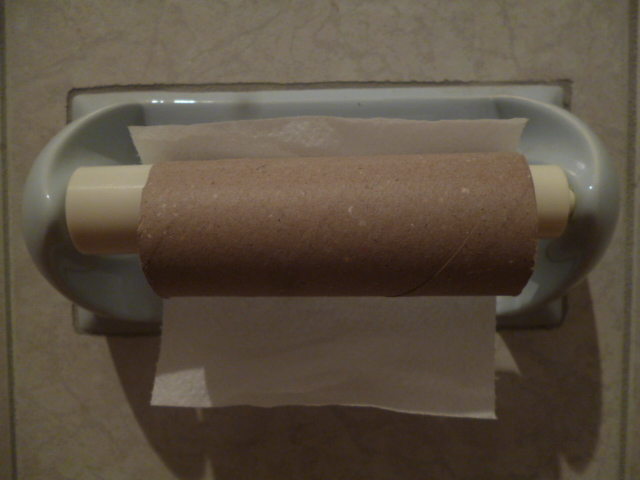
The year is like a roll of toilet paper; the closer you get to the end, the faster it goes.

It is a handy time to pause and reflect, stare with focused gaze into one’s navel, pick out the lint and be careful you don’t stick your head too far up your bum and turn inside out.

THe year that was

I began writing in late 2009. I designated 2010 as my Practice Year. 2011 was to be the Year of Submission. Have I achieved it? No. Not in the way that I wanted because I didn’t create a plan.

By the end of the year I had three stories published: Headlines and Post-It Notes and Ashes to Ashes in eMergent Publishing’s Literary Mix Tapes’ anthologies “Nothing But Flowers” and “89.” I also had a piece of flash fiction, The Knight’s Defence published in the December edition of efiction magazine.

The first two came from associations and friendships formed via Write Anything. I am grateful for the wonderful opportunity to contribute, to be trusted as an unknown writer. Having The Knight’s Defence published makes me believe I have the potential to sell more.

the year that will be

A new year is a time to gird loins and make a list of No-No’s and Thou Shalt Not’s. Lists mean nothing unless there is a plan to back it up.

But I don’t do lists. I’ve decided on goals.

The problem is, I’ve never been much of a goal setting type of person. I’ve wanted to be one of those focused young things, changing the world before they’re twenty-five. Those years are a little behind me.

In the latter half of this year I set about designing and implementing writing goals. Lo and behold, I was able to reach them. Who’d a thunk it? I still need to revise the process, but it’s movement forward.

2012 is the Year of the Novel. I have never written a novel, although I’ve written enough words in the last year or so equivalent to a novel. And frankly, a pair of dark coloured underpants would be a useful to hide the fear I’m feeling.

But…

I am putting into place goals and plans to make this dream a reality. A key word to keep me going is “momentum.” I will set the marble rolling down the hill.

I will not measure myself against others. I will measure my success by the goals I have established.

A Modern Family Christmas Letter

Greetings to family, friends, acquaintances, hangers-on and my parole officer,

2011 has been a great year for the Bright family.

The beginning of the year saw the release of Father Robert Bright from his time as a suit and tie man with his retirement. He said he was glad to be rid of the routine of work. Now his routine consists of the couch, the newspaper, television and the garden shed. His favourite couch bears the burden of his backside but is given respite during the afternoons when he potters down to the local pub for a beer. It is a little embarrassing when he trundles down in his tracksuit pants with the threadbare bottom and slippers where his toes poke out the end. I’ve tried to make him change but his response is always the same, “But they’re comfortable, woman.”

Retirement has given him more time in the garden. This year he exhibited his orchids in the local show and did quite well. He seems to have taken up smoking again, although it doesn’t smell the same as the pipe tobacco he used to smoke all those years ago. It tends to make him quite peckish and he asks for a toasted cheese sandwich before breaking into a fit of giggles. And for some reason, Robert has gotten to know a large number of young people who come along to the flower shows. It is good to see young people taking an interest in botany.

Retirement suits us and we are thinking of buying a caravan and living the life of grey nomads. The children are old enough to take care of themselves now and we deserve a little fun in our dotage.

Adrianna finished her third year of law and her twelfth phase of experimentation. This year she explored the many varied definitions of the word “gay.” Before that there was veganism, socialism, ecological concerns and some obsession with a book about vampires and werewolves. She is our little “quiet achiever” so we aren’t too concerned.

We finally managed to get Jack over the line in his final year of schooling. It took many hours and many visits to the Principal’s office, but we managed. The Principal even wrote us a lovely letter of recommendation when Jack finished.

Jack’s fascination with fast cars landed him an apprenticeship with a local car dealer and he has been loving every minute of it. My little Datsun 120B has never run smoother. However, the addition of new paintwork makes me a little embarrassed to run down to the shops. Jack added some flames pouring from the wheel arches. I think it looks like a Matchbox car. And the fluffy dice and garter hanging from the rear vision mirror do make it a little hard to see sometimes.

He has been seeing a lovely young lass by the name of Felicity. They met at TAFE studying auto engineering and have been inseparable ever since. She and Jack spend many hours discussing cars, although I do wish she would put some clothes on sometimes. She’ll catch her death of cold if her skirt climbs any higher up her thighs. And she has an unfortunate tattoo on her lower back. I can see it as her jeans tend to sit quite low, revealing her underwear, although I fail to see how a piece of string counts as underwear these days. The tattoo reads, “Ride it like you stole it.” She must love cars to express her passion in such a permanent way. Coincidentally, I once found an unused prophylactic on the back seat. Jack swears it belonged to a friend and that it must have fallen out of his pocket one evening.

I think young Jack needs a new prescription for his glasses. He keeps getting pulled over by the police for speeding. He swears he was doing the speed limit.

Great Aunt Beryl is getting younger every year. This year it’s been her knee. Her knee is one of those new-fangled plasticy doo-dads that comes with a lifetime guarantee (which for Great Aunt Beryl may not be that much longer).

This knee goes along with her other knee, both hips and a set of breasts Dolly Parton would be proud of. For the life of me I can’t imagine young looking perky breasts protruding from a chest which Robert says had enough folds of skin she could be a MAD magazine fold in.

This year for me has been one with its ups and downs.

It’s been a tough year on the tennis circuit. We had a new member join us who looks like Anna Kournikova. Well, Anna Kournikova in 40 years’ time. I’ve had to attend a number of funerals of ladies from the club whose time has been called. “Game, Set and Match” as one wit described it. The old black tennis skirt has been getting a workout. It may need replacing next season.

What with Bridge Club, my Book Club, the Country Women’s Association, Meals on Wheels and meeting with my parole officer, I never seem to have a moment to myself.

Have to run along and tend to the Christmas pudding.

Wishing you all a fabulous 2012.

Much love and hugs and kisses from me and all the Bright family,

Miranda

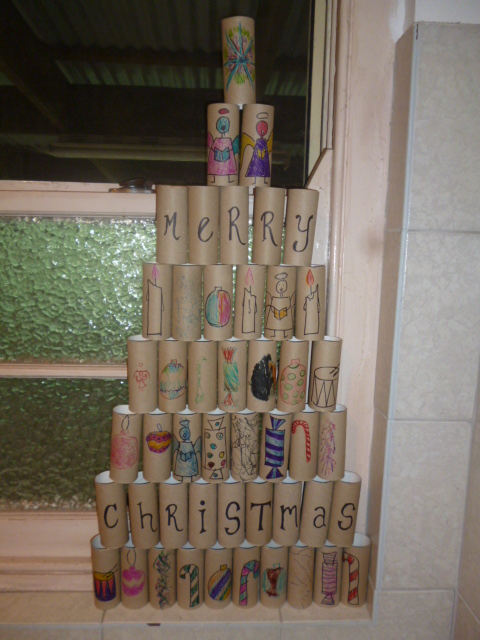
Merry Christmas 2011