Category Archives: The Writer’s Life

Failure Is Always An Option

Why is failure a negative response?

Well, yes, failing attempts at flying, playing with power points, or gaining your friends’ attention with the exclamation, “Hey, check this out!” can have negative consequences resulting in death, bloody maiming or a great story to tell.

Failure is couched in terms of shame, of disappointment, of not being successful, of letting people down, of not living up to a set of standards, morals or values. To fail, therefore, is to be less than, to be inferior, to be forgettable and forgotten. 

So when it comes to beginning a creative project, or learning a new creative art, skill or craft, we are programmed to think of our early efforts as failures. They do not meet up to our expectations of what it should be (and yes, there is a disconnect between what we create and produce, and the expectations we have set for ourselves in the production of our work but that’s another blog post). 

But as creative people, failure should not be considered a negative response to a project.

Failure does not define who we are as creative people.

Failure is not a measure of our worth.

Failure is a part of the creative learning process.

Every creative project we start is an experiment. It may or may not work. But that’s the beauty. When I am beginning a new story I am unsure if it will work. I write the first draft, let it sit, return to it and look for what needs to be improved (often, a lot of things). Whether it’s point of view, too florid in expression, characterisation or character development, dialogue or imagery.
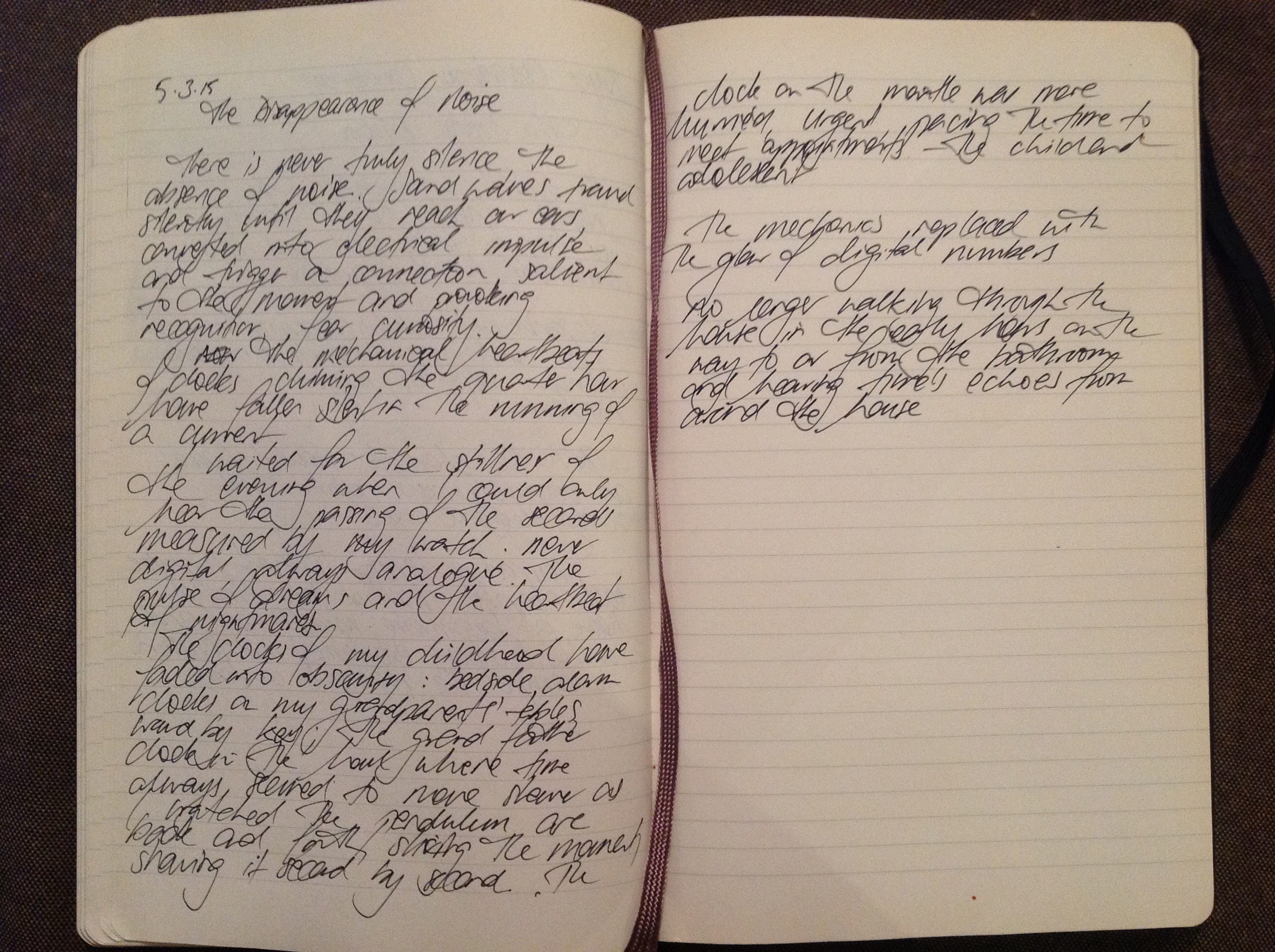
A recent idea in its genesis. Pure unadulterated nonsense.

A recent idea taken from my notebook in its genesis of pure unadulterated nonsense. It’s all part of the failure.

Don’t be afraid to put in the hours of practice required. I think it’s where a lot of fledgling creatives stumble. They want the accolades but haven’t put in the necessary hours. The Mythbusters make it a part of their show: failure is always an option. It shows you one way it didn’t work. Repeat the experiment until you find the solution.

I love seeing Kathleen Jennings (@tanaudel) put up images of her sketch books, her practice pages, on twitter. She sits in public transport terminals, shopping centres, food courts and sketches people. Please check out her awesome work via her blog: Tanaudel.

I am very grateful for her permission to reproduce one of her images. I love how the colour frames a distinct individual. She had this to say about her process.
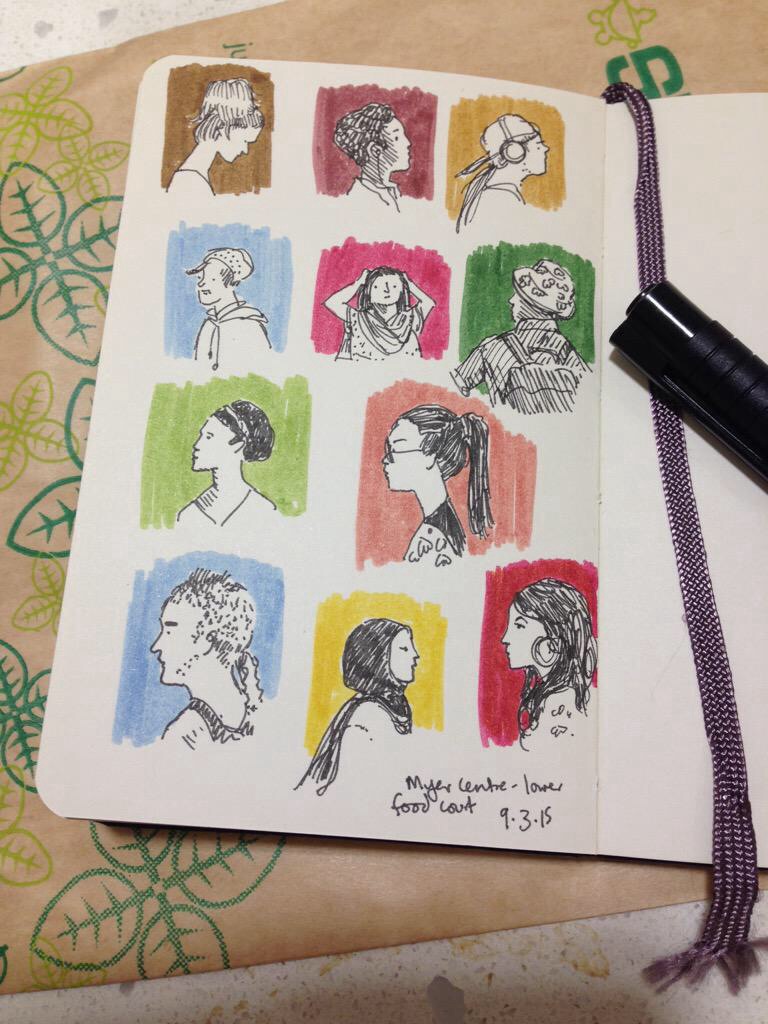
“They are part of my practice. I’m fairly timid drawing naturally. So I made myself use markers, limited colours, and draw people as they walked past. It made me commit, be bold, be confident and develop a visual shorthand.”

image

(c) Kathleen Jennings @tanaudel Used with permission.

Practice. Practice. Practice. 

I know I have not spent enough time behind my drum kit practicing rudiments, beats, fills. I have not practiced enough. The same applies to my writing; I need to spend more time with pen and paper scratching out paragraphs, lines, half sentences.

I have many documents of half started stories, poems, scripts and the like sitting on my computer hard drive as well as in multiple notebooks. This is the practice time spent conditioning my mind and perspective like an athlete to achieve the goals I have set.

Practice is repetitive. 

Practice is boring.

Practice develops a discipline.

Practice is extending the boundaries of your skills, extending the place of your tent (to borrow a biblical phrase).

And, yes, there will be failures. Days when you feel like you’ve been given a fork to eat a bowl of clear soup. Days when you feel like there’s a hole in your shoe (and it’s raining), sit in gum, forget your lunch and suffer the ignominy of a nasty paper cut.

This is failure. And it sucks. 

Keep practicing.

Write a paragraph a day. Sketch on the back of a shopping receipt. Doodle in the margin of the newspaper. Practice rudiments or scales for 5 minutes a day.

Keep failing.

Failure is always an option because it is a learning opportunity. Failure is necessary to grow and develop in our chosen creative field.

The path behind you is not littered with the carcasses of failed projects but the evidence that you have trained and practiced.
 

What To Do When You Doubt Your Creativity

image

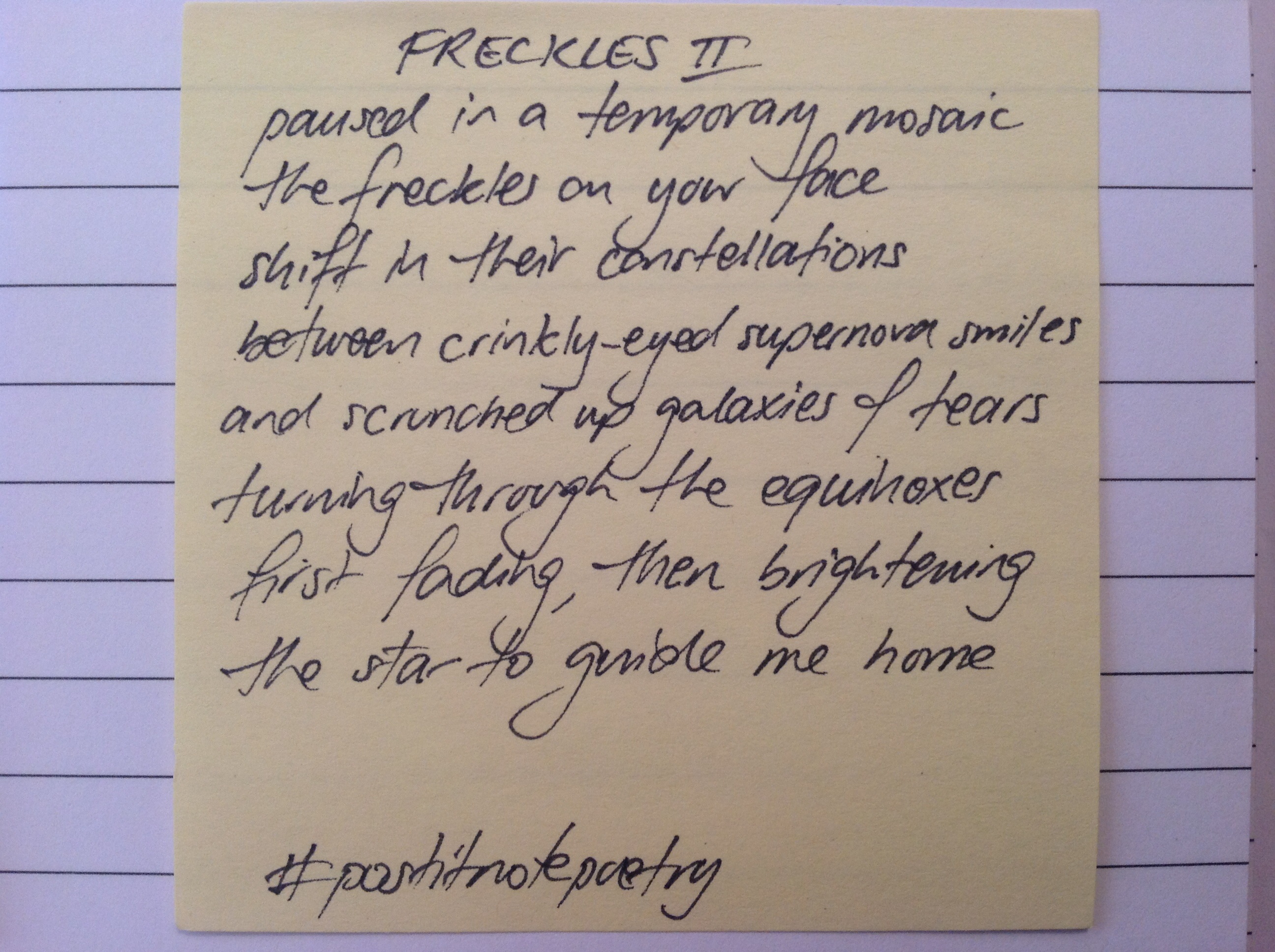
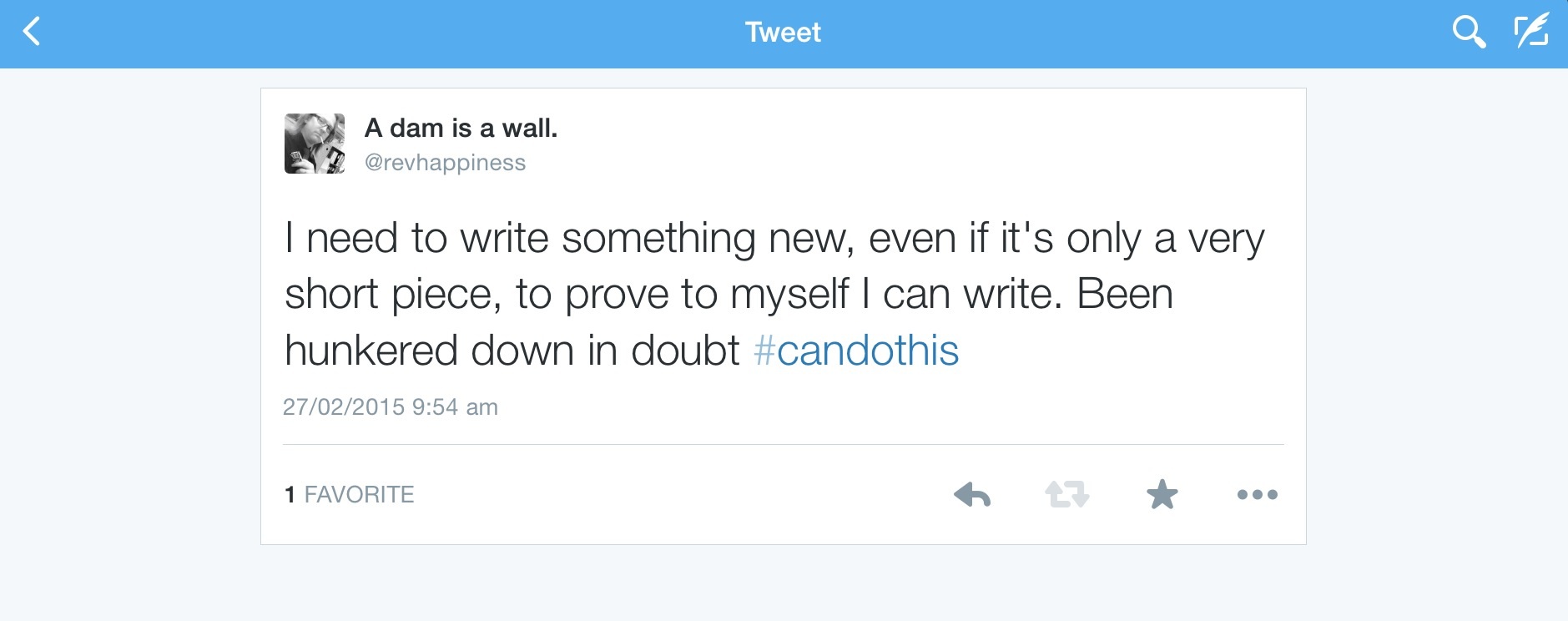
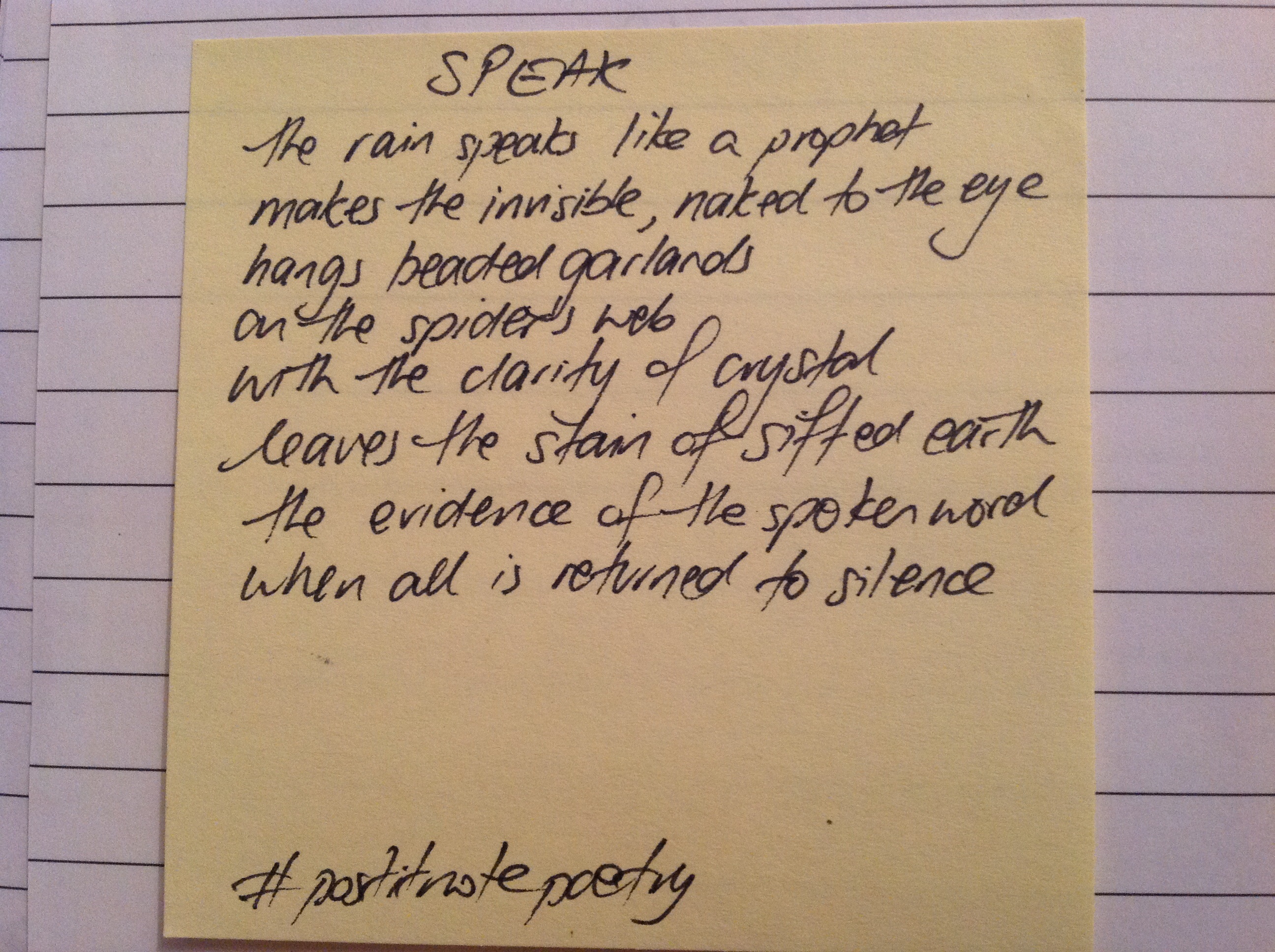
I wrote this last week as Post It Note Poetry was coming to a close. For the month of February I was writing something new every day on the spur of the moment with very little editing or development. Dedicated crafting and revision is not the point of Post It Note Poetry.

Side Note: Post It Note Poetry presents its own set of creative issues and problems. I’ve reflected on them at the end of the month in 2013 (Post It Note Poetry Wrap Up) and 2014 (Lessons Learned from Post It Note Poetry). There is no need to revisit them again.

It has been a long while since I have written something new as I’ve been trying to complete the first drafts on some longer pieces (one of which is the stupid novella I’ve been saying I’ll write for the past 2 years). I have another short story (approx. 3.5K) that still needs work and has been revised and reworked numerous times.

What it all means is the process from idea to first draft, then edits, more drafts and finally, completion, is time consuming.

It’s the long drag between first draft and end of first draft (when you know the work has potential but it’s not yet realised) that makes me doubt. Even the short story mentioned above has been languishing for almost 12 months as I sort through various drafts, comments and plot issues.

Similarly, my novella and verse novel need some serious reworking in terms of plot. I started the novella with an outline but have realised it needs further revision. The verse novel started without an outline (trying different methodologies) and it needs a clear direction and focus. 

On top of that, the latter half of last year was a creative wasteland in some respects. Work demands were a high priority and a creative sink hole as I worked through marking papers, editing students’ major works and completed edits on a friend’s 104K sci-fi novel.

It meant I approached January as a time to rebuild myself creatively. But it didn’t happen. Everything I returned to felt like drinking a cup of sand. It was exhausting. And I seriously contemplated bailing on Post It Note Poetry as I doubted myself and my creative abilities.

What to do, then, if you are beginning to doubt your creativity? I have 2 solutions.

1. Stick with your creative community.

Your creative community is your most valuable asset. I have a group of people I can rely on to listen when I vent, whinge, complain, throw a tantrum, doubt, despair, consider chucking it all in.

They were there either via text or Facebook or messaging. Most of the time they simply listened. Occasionally they offered advice or encouragement. I have a creative colleague at school and we have our “Mea Cuppa” sessions, talking through ideas or talking rubbish while having cups of tea.

If you’re not part of a community, seek one out either in real life or online.

2. Keep turning up to the page as persistence pays off.

Deciding to complete Post It Note Poetry meant I had to turn up to the page Every. Single. Day. to complete a poem. Some poems came easier than others but I was compelled to keep going.

Even if you think you are creating rubbish, it is all about priming and preparing yourself for the next project whether it’s something new or returning to complete something older. It’s like training is for an athlete. Do the practice, complete the exercises in readiness for the main event.

For me, March (and the coming months) brings new vision and clarity for the projects I want to complete and the new ones on the horizon. For right now, I’ll keep turning up to the page and pressing on.

How do you keep your creativity flowing when you have doubts? Leave your ideas in the comments.

Post It Note Poetry Recap Week 4 – The End

Welcome to the end of the official month of Post It Note Poetry (don’t stop writing Post It Note Poetry; I won’t be stopping, only slowing down the production) but its time has come to an end for this year.

28 days of poetry. 28 poems. 1099 words (of questionable merit). In reviewing the poems I wrote, I am proud of many of them. Others have the potential to be developed or refined further. Some should be consigned to the rubbish bin. However, the point of this month was to simply write, and with permission to write badly, so I wrote. 

And now we have come to the last weekly recap. You can find the other weekly recaps here:

Post It Note Poetry Recap Week 1
Post It Note Poetry Recap Week 2
Post It Note Poetry Recap Week 3

At the end of last week’s recap I set myself a challenge to remix my own poems for the final week of Post It Note Poetry. I would take a single line from the poem and use it as the opening line of a new poem. Perhaps not so much a remix as an inspiration. Consequently it has opened up new ideas for next year with found poetry, other remixes and collaborations.

I found myself censoring lines, or thinking which lines might be good for the next day. It was a distraction from the poem at hand but I found the “OFF” switch to allow me to finish the poem. It may be easier to take the line from someone else’s poem because there is not the built in expectation of having to write something worthwhile. Maybe next year I’ll have another remix week where I borrow from other participants’ poems.

The poems are presented here in chronological order so you can see the progression, unlike previous weeks where they have been posted in reverse chronological order.

image

image

image

image

image

image

Thanks for coming along for the ride of Post It Note Poetry. It will be back again next year. I will be writing more Post It Notes poems from time to time. Be sure to check my tumblr, Post It Notes and Poetry, for posts and poetry updates.

Do you have any favourites? Leave yours in the comments.

Drafts and Sketches

I am no visual artist; I draw occasionally or scribble on the whiteboard when I am teaching to illustrate a point. I am in awe of what artists create but I also love seeing the progression of the image.

I like to see the process, the development of an idea from conception to completion. I am in the middle of looking at some ideas to work out some plot structures and it made me think of an artist and its applicability to writing.

The first draft of a new story is like the initial sketch or drawing. The form is laid out but the detail is lacking. 

The novella I am working on (estimating a finished first draft by the end of March) is, right now, a sketch. The outline is there and the more I write, the more the form and detail is taking shape. I know that with subsequent edits and rewrites it will become more clarified and clearer.

With each new draft, with each passing edit, the image is revealed in finer and finer detail; the adding of new thematic colours, the detailing of characterisation with fine lines not broad definitions, the specifics of description in the background to bring it to the foreground, the encapsulation of the vision of the finished picture revealed in the infinite number of keystrokes and brush strokes.

We don’t see the chisel marks on Michaelangelo’s Statue of David or the brush strokes of the Mona Lisa; we marvel at its beauty and wonder at its complexity.

When you read one of my stories or poems, I don’t want you to see the work behind the scenes, I want to engage with you in the language of the text, for you to experience the world as presented, and to learn about yourself along the way.

Adventures of Lego Writer Man

Last year a friend of mine, amongst other people I know, maintained a Thankfulness theme on Facebook. Every day for an entire year, 365 days’ worth, he posted a new thing to be thankful for. It was an encouraging read and made my realise how blessed I am when I consider the breadth and depth of things I can be thankful for.

However, it spurred a new idea: the daily adventures of a Lego figurine, in particular, a Lego figure who was a writer.

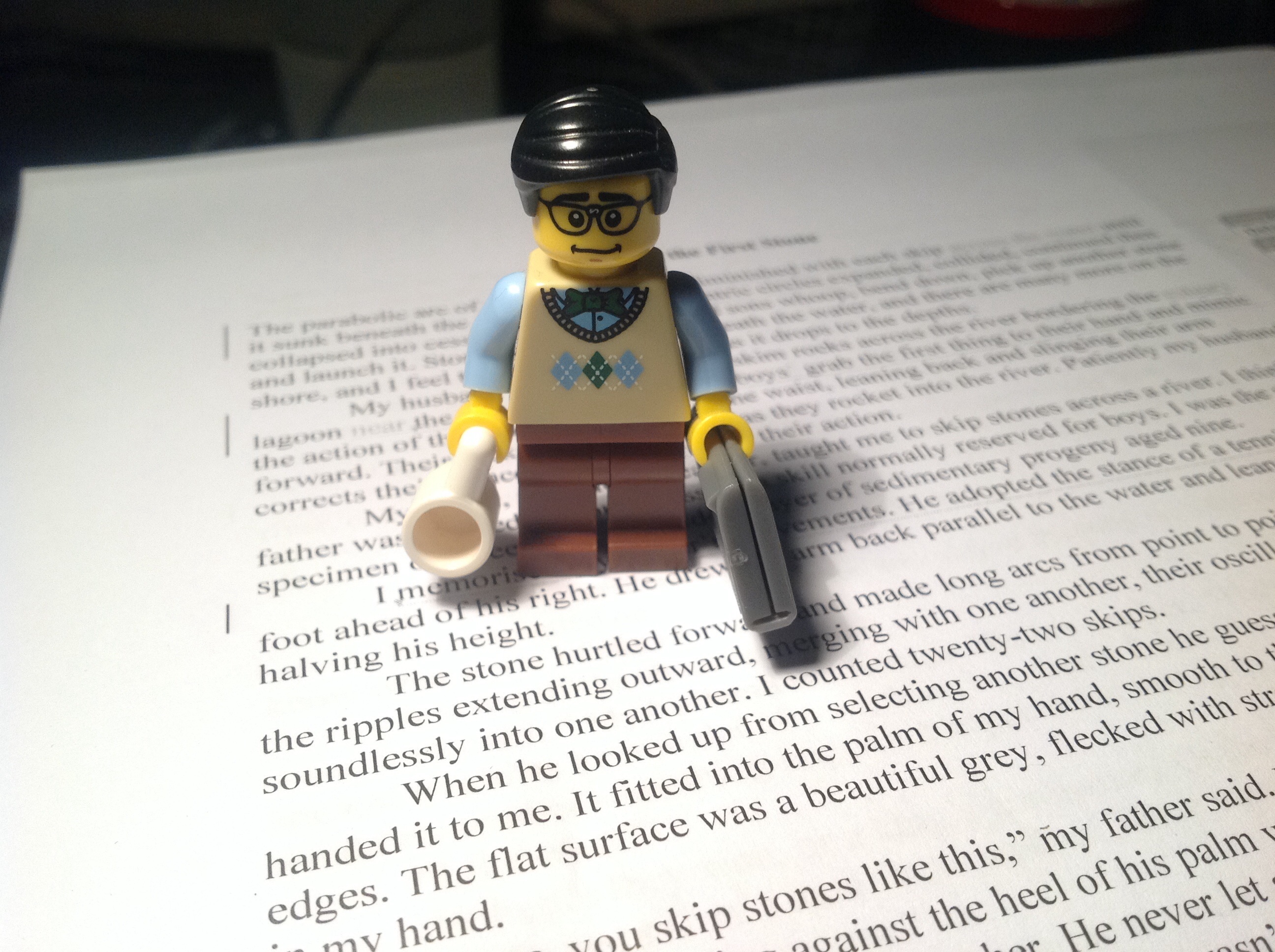
So, Adventures of Lego Writer Man was created. Armed with his cup (for tea) and laptop (to write on), he embarks on a literary journey. Each day I post a photo on Twitter of Lego Writer Man and his adventures. Follow me (@revhappiness) or the hashtag #AofLWM.

image

When Ideas Turn to Manure

Over the last few weeks I’ve been plugging away at some older pieces of work, deciding whether to forge on with them or cut them loose.

I had just closed the document of a poem I had been working on after having decided it was not worth pursuing at this time and launched into a quick twitter self-evaluation session.

The conversation I had with myself is below.

Cleared the desk of old projects hanging around. Abandoned some. Others into storage. Time to focus on the new things. And Get Stuff Done.

Come to conclusion some ideas are worth exploring but awareness they are practice, amassing the hours needed to master the craft.

Nothing wrong with that. Some ideas sprout early, look good but produce only weeds. Cut them down, turn them into compost for new ones.

It does seem to contradict “finish what you started” but sometimes the piece will not work no matter how much manure you pour on it.

Commitment to an idea is noble but not at the expense of developing as a writer, artist, creative person. Shelve it. File it. Let it go.

Sometimes ideas just suck. Sometimes they turn into manure. Put it on the compost pile and let it feed new ideas and projects.

Do you ever let something go or do you see it out to the end?


1 Step To Kick Start Your Creativity

Ever wondered how to kick start your creativity?

Besides a swift kick up the bum (which is easy to do by the way. Tie a piece of rope around your right ankle. Bring the rope up and over your shoulder from behind. Pull the rope swiftly and kick yourself in the bum).

There is an easy way to kick start your creativity. 

You start by DOING.

No thinking. No procrastinating. No making a cup of tea first. No checking twitter or Facebook. No worrying. No hesitation. No. No. And no.

To get you started in the DOING phase of kick starting your creativity, there are a list of suggestions. Pick the appropriate category and off you go and DO IT.

For Aspiring Writers

* write 5 very short stories or pieces of description. Each story must be 6 sentences in length and include one sentence of dialogue.

For Curious Poets

* write 5 poems. It doesn’t matter about how bad you think they are, write them. Give yourself 5 minutes to write each poem. Do them all at once or one at time.

For Ingenious Artists

* draw 5 pictures. Draw each picture on a Post It Note.

For Ambitious Photographers

* select one random object from around the house or office and take 5 photographs in different locations.

Which one are you doing? 

If you’ve given it a go why not show the world what you’ve done and link it back here?

Art Is An Introduction

Meeting a piece of art (I am defining ‘art’ to mean literature, music, painting, sculpture, photography, dance; in fact any creative endeavour) for the first time it is an introduction to the artist and his/her work, the rationale and purpose behind the work and what it means to the artist.

Here’s a thought to bounce around with you: art is an introduction, then a conversation, a relationship, an understanding, a sharing.

A tangent to start with: I suspect much of the reaction to an artist’s work stems not from an offence created by the composer (unless that is the specified intention) but more from the responder’s own set of values, attitudes and beliefs. 

In the media an artist is forced to apologise for an artistic statement they have made regardless of their intention. In the past week, recording artist Sia has issued an apology about the content of her most recent video clip featuring Shia Labeouf and a young girl engaged in interpretive dance. The complaints focused on the age of the girl, allegedly 12, and the state of undress of Shia. 

This article is a good summation of how people react without understanding. Even the writer of article shows his lack of understanding. Sia Sorry Over Pedophilia Upset

It didn’t take in to consideration the content of the song, the purpose of the lyrics or the meaning of the video clip itself. 

A glib summation: TRIGGER WARNING – it’s your fault I’m offended. 

An artist’s work should be questioned, interrogated, debated. But we have to also confront WHY we are offended and feel uncomfortable. 

I remember the controversy surrounding the artistic work, Immersion (Piss Christ) when I was in my late teens/early twenties. The art was a small plastic crucifix immersed in a yellow liquid.

It was exhibited in Australia and two attempts were made to vandalise the artwork. There were threats made against the artist and the gallery. 

It is a significant religious icon and thus, hold supreme importance to Christians and Catholics. I can’t find the reference now but a friend had done some research  into the artist’s intention, and it was not to be sacrilegious. Crucifixion, as a Roman form of punishment, was barbaric and intended as an act of humiliation. The artist had made a parallel in the modern age to another act of humiliation: to urinate on someone is to denigrate and proclaim that person worthless. 

It also means having an understanding of the significance of the icon, why it is important and how it is used. The New Testament writer of the Book of First Corinthians understood the complexity, and controversy, of crucifixion: “For the message of the cross is foolishness to those who are perishing, but to us who are being saved it is the power of God.” Therefore, as an act of salvation it is contradictory.

Therefore art is an introduction.

Then it is a conversation between the artist and the responder, coming to a common ground. The first thing you do at a party when you are meeting new people is to ask for their name, what they do, find out what they are interested in or passionate about. Once you have established commonalities, a conversation begins.

From there it develops into a relationship. Aside: you can tell if a conversation is going nowhere as you run out of topics, lacking a connection. And it’s ok to not like a piece of art, to have no connection with it. But know why you don’t connect with it.

If there is a connection, you seek to develop it, leading to an understanding of the artist, his/her worldview, purpose, intention, vision. You see out other works, attend other performances, read more novels, and even if it confronts you, there is still a point of understanding.

And all of this leads to sharing. When you have taken the time to cultivate a relationship, to understand the artist’s vision and purpose, you can eloquently share your love of the artist’s work.

Art can, and indeed should, offend. The right to free speech entitles that. My caveat on that is offensive, racist, sexist bollocks should not be tolerated. Call it out for the garbage that it is.

It is the conversation we engage in with the art that makes it beneficial, even if we do not like it. Saying “I’m offended” reveals more about your own insecurities, values and attitudes than it does about an attempt to understand the art. You have every right to be offended but have a sustained and logical reason to defend your proposition.

Art is an introduction, then a conversation, a relationship, an understanding, a sharing.

Have you been introduced to any great art lately?

Wish You Well

Happy New Year to you all.

2015 is here and whether you celebrate it with good intentions or good champagne, there is something about the marking of a new year that sets it apart.

Last night I played at a New Year’s Eve gig (I play drums in my spare time when I’m not teaching English or writing) and we always end our set with the song, ‘Wish You Well’ by Bernard Fanning (Powderfinger).

It’s a beautiful sentiment and we love playing it at weddings especially, to bless the new bride and groom, but it’s a positive sentiment to give to all our audiences. 

This year holds so many possibilities, many of which I have not foreseen, some I have planned for, but I intend to live out the year focused on the adage to ‘love thy neighbour’ because only when I seek to serve others will there be freedom and peace on Earth.

And so, with that in mind, I just want to wish you well for 2015. 

if:book – Open Changes

A little while ago I mentioned I had submitted a couple of pieces to the if:book Open Changes project.

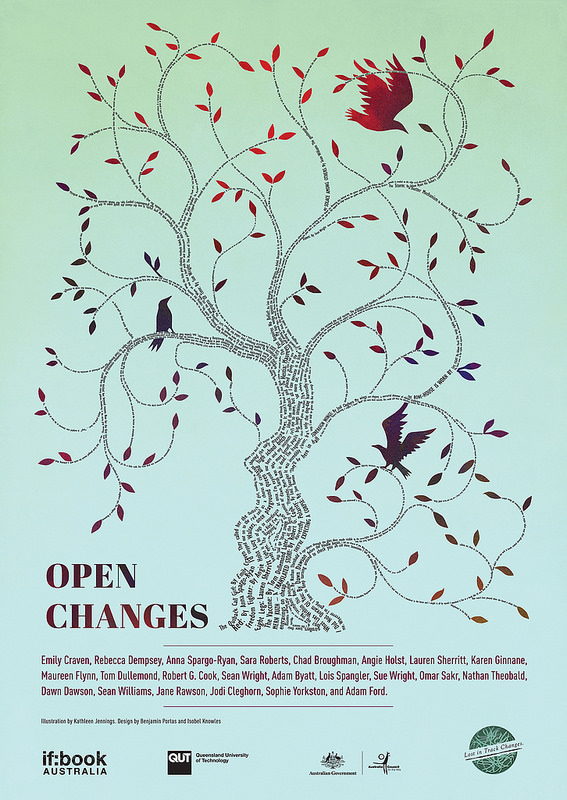
I am proud to say I have been included in this project and the artwork for the poster has been released. Included in this wonderful piece of art are a whole bunch of fabulous writers I know.

if:book Open Changes Poster

if:book Open Changes Poster

It is based on the spectacular work of Kathleen Jennings whose art work I seriously adore. Check out her blog and sees the inspiration behind the poster you see above. 

I highly recommend following Kathleen on twitter (@tanaudel) as you will get to see some of her amazing sketches.

I can’t wait for my copy to arrive. I’ll be posting photos.